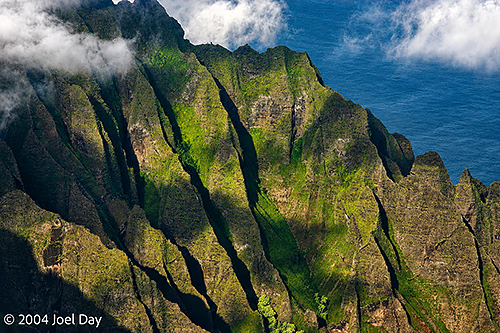
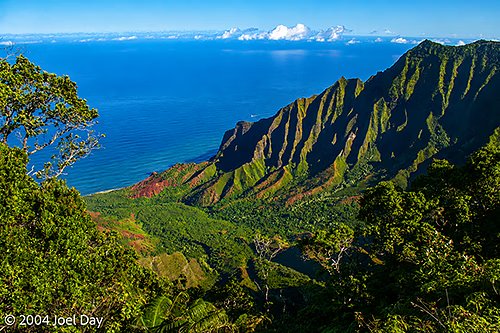
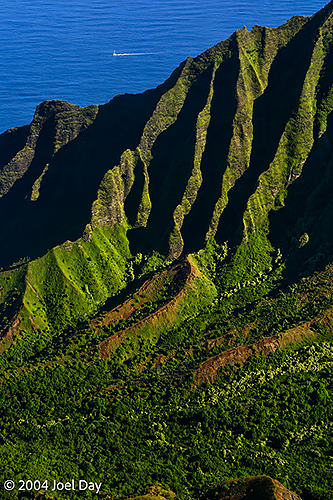
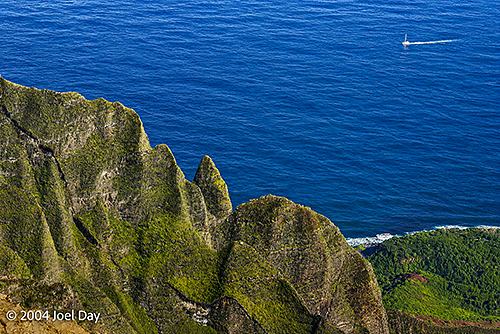
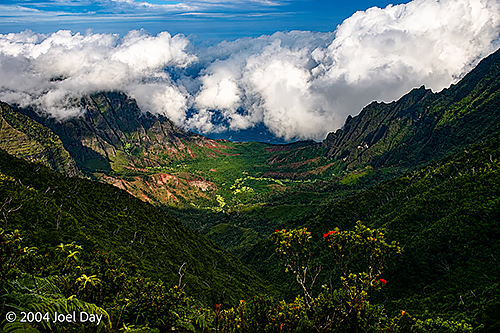
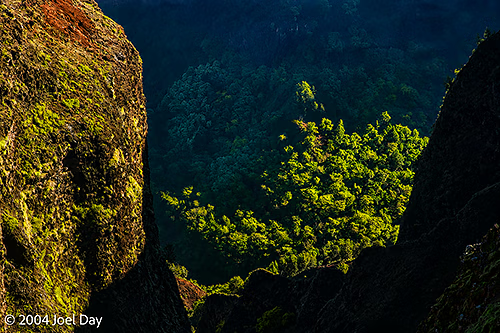
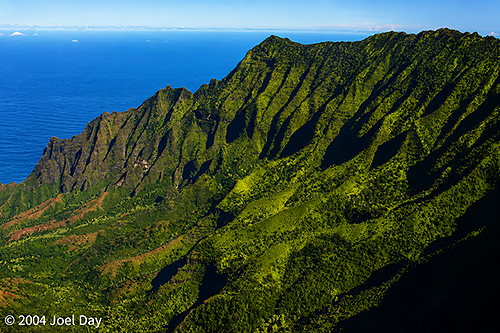
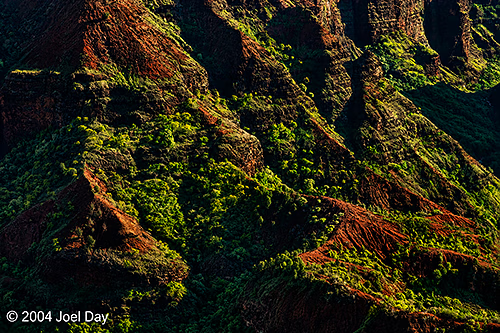
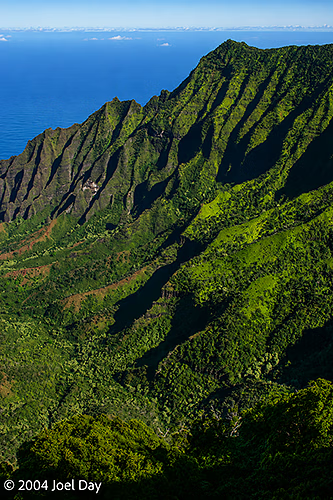
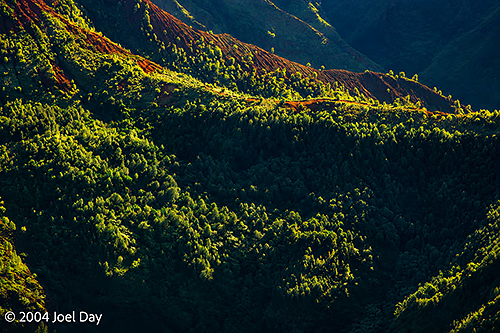
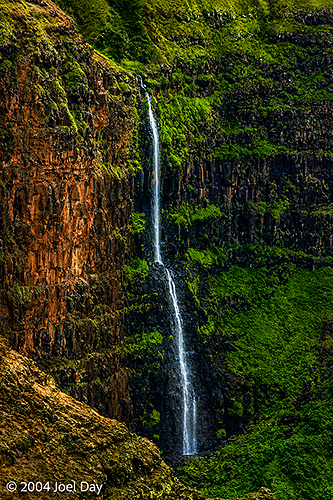
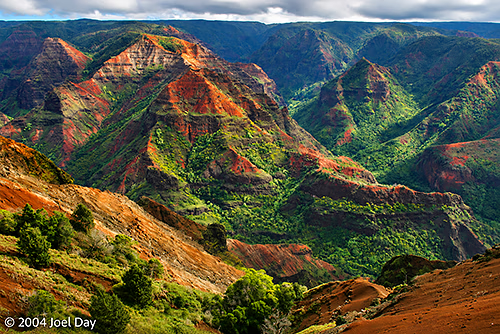
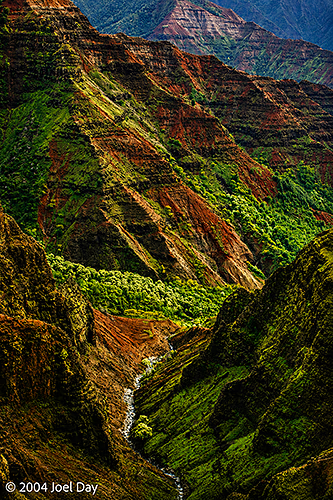
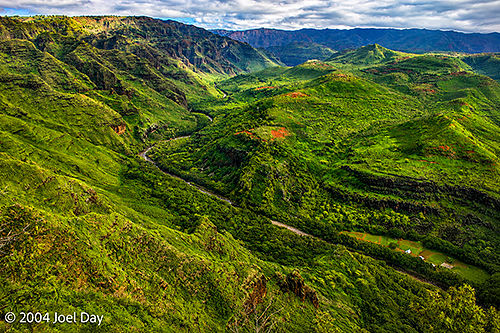
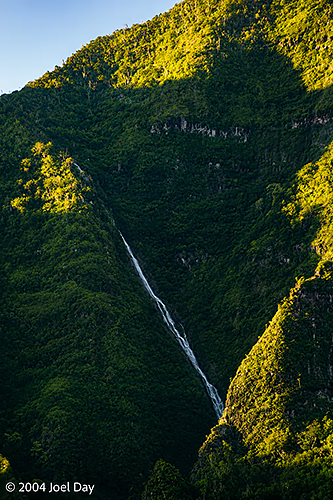
Not being one to hang around on beaches for very long, I woke up early, packed up my stuff and headed up into Kokee State Park for a day of muddy hiking and exploring. I have to say that up until this point, I was not all that impressed with Kauai. I hadn’t really seen anything on Kauai that I hadn’t already seen on The Big Island. Kokee State Park was definitely different, and really quite spectacular. 4000 feet up in a rain forest, Kokee State Park had lots of nice hiking trails, a grand canyon, and a spectacular view out over The Kalalau Valley, where the Nā Pali Coast Trail ends up.
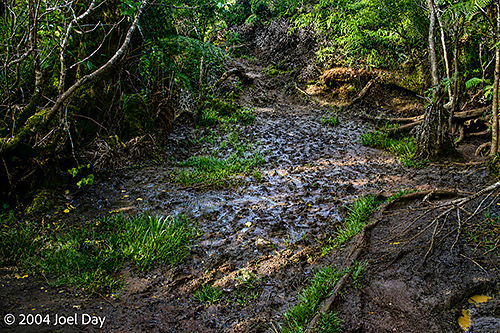
Nā Pali Coast State Wilderness Park, Island of Kauai, Hawai’iNā Pali Coast State Wilderness Park, Island of Kauai, Hawai’iNā Pali Coast State Wilderness Park, Island of Kauai, Hawai’iNā Pali Coast State Wilderness Park, Island of Kauai, Hawai’iNā Pali Coast State Wilderness Park, Island of Kauai, Hawai’iNā Pali Coast State Wilderness Park, Island of Kauai, Hawai’iNā Pali Coast State Wilderness Park, Island of Kauai, Hawai’iNā Pali Coast State Wilderness Park, Island of Kauai, Hawai’iNā Pali Coast State Wilderness Park, Island of Kauai, Hawai’iNā Pali Coast State Wilderness Park, Island of Kauai, Hawai’iNā Pali Coast State Wilderness Park, Island of Kauai, Hawai’iNā Pali Coast State Wilderness Park, Island of Kauai, Hawai’iNā Pali Coast State Wilderness Park, Island of Kauai, Hawai’iMuddy Hiking Trail in Nā Pali Coast State Wilderness Park, Island of Kauai, Hawai’i
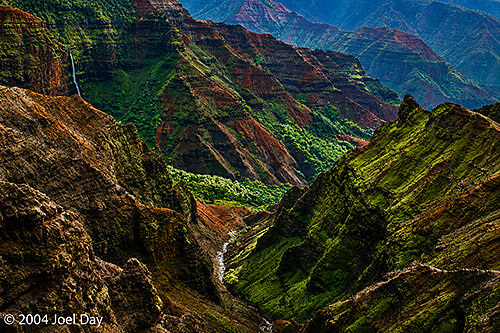
Although the canyon wasn’t nearly as big as the Grand Canyon in Arizona, it was much greener and very beautiful. And while the region was known for its persistent rain, I happened to luck out and see the Nā Pali cliffs overlook with anything but a deep blue sky. This place even had really nice individual campsites, carved out of the rainforest undergrowth. The only problem I ran into was with the jungle chickens and roosters (known as Moa) that insisted on cock-a-doodle-doing all night long. The Moa were introduced by Polynesian visitors long ago and have been removed from all the other Hawaiian Islands but this one.
Waimea Canyon State Park, Island of Kauai, Hawai’iWaimea Canyon State Park, Island of Kauai, Hawai’iWaimea Canyon State Park, Island of Kauai, Hawai’iWaimea Canyon State Park, Island of Kauai, Hawai’iWaimea Canyon State Park, Island of Kauai, Hawai’i
Spending a few nights in Kapaʻa allowed me to get the rest of my accommodation organised for my week on Kauai. I did my research before descending on this place and learned that camping was really the only budget accommodation option. And like The Big Island, the state and county (island) parks required you to know exactly where you want to be and when. I spent my first afternoon cruising around to visit the various beach parks to see what the camping was like. After all, the island really isn’t that big.
Hāʻena State Park, Island of Kauai, Hawai’i
What I hadn’t anticipated was how much rain this place gets. The rainiest point on top of Mount Waialeale averages more than 40 feet (12+ meters) of rain a year! And I thought Milford Sound in New Zealand was wet! Fortunately, the coastal areas aren’t THAT bad, but they are still very wet on the eastern and northern coasts. My strategy was to camp where it’s wet first so I could use the camping where it’s dry (in the south and west) to dry out my tent before I have to pack it up for another flight.
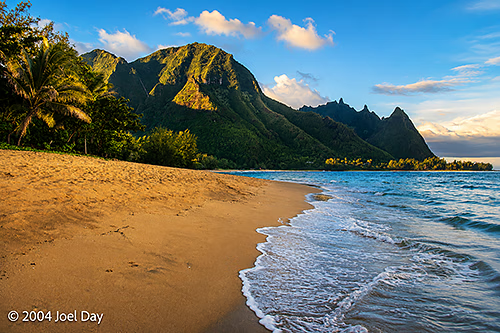
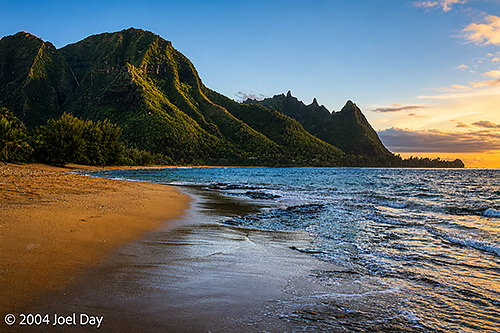
Hāʻena Point, Island of Kauai, Hawai’iHāʻena State Park, Island of Kauai, Hawai’iHāʻena State Park, Island of Kauai, Hawai’i
My first night of camping started out very nice. I found a beautiful spot right on the beach under some pine trees at Anini Beach Park. The swimming was very nice, but as with most of Kauai at this time of the year, the sea was a bit too rough for good clear snorkelling. There was a brief shower after I got my tent set up, but no other precipitation problems until around 6 AM. I wouldn’t have minded a downpour overnight while I stayed nice and dry in my tent, but an 8-hour downpour starting at 6 AM is no fun at all — especially when you are expected to pack up your tent and head to your next destination by 10 AM.
Hāʻena Point, Island of Kauai, Hawai’i
With a nice, lightweight freestanding tent, I worked out a strategy to pull up the stakes holding it in place, carry it into the men’s room, and pack it up out of the rain there. It seemed to work okay, and I got the tent and the rest of my gear back in the car. Good for the time being, but the thought of attempting to set the tent back up in the continuing downpour at a dodgy-looking park didn’t thrill me. I was confined to my driver’s seat, where I tried to read papers and pass the time waiting for the downpour to finish.
Hāʻena State Park, Island of Kauai, Hawai’iHāʻena State Park, Island of Kauai, Hawai’i
And then I remembered something about a YMCA camp being available if it wasn’t hosting any groups. I found the deserted place, knocked on all the doors I could find, and, as I was just about to give up, a woman walked across the lawn (in the rain) with her dog. I saw a big pavilion on the far side of the grass on the edge of a beautiful cove and asked whether she’d mind if I pitched my tent under there. It was cool with her, and it turned out to be one of the best spots I found to camp on this island. I could set up my tent out of the pouring rain, sprawl out on the picnic tables and read the paper, cook my meals, and have lots of privacy, darkness, dryness, and quiet when it came time to sleep. I decided to stay there two nights while I explored the area. It was the perfect spot for the rainy climate.
Hāʻena Point, Island of Kauai, Hawai’i
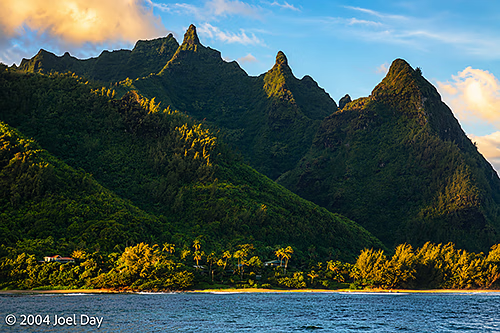
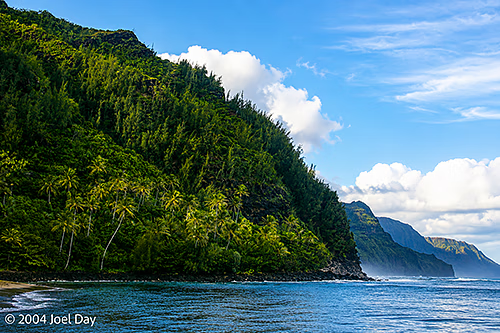
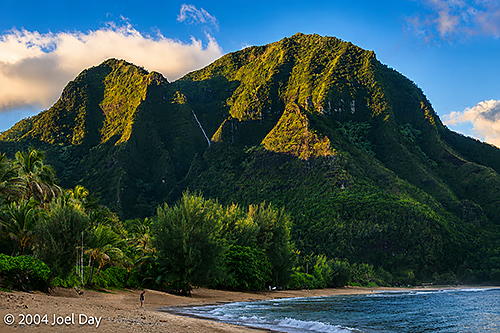
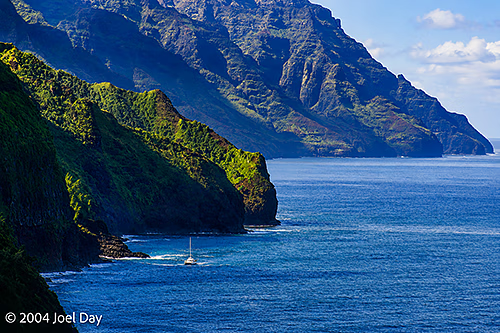
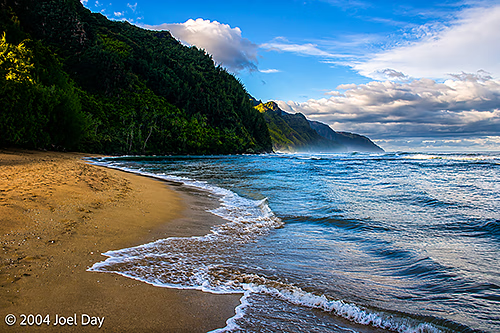
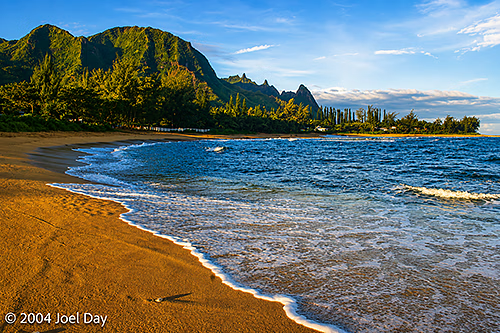
For my last few days on the northern wet coast, I explored the area around Hanalei, Princeville, Haena (where I camped) and the rainforests of the Na Pali Coast. There was a hike I was hoping to make along the spectacular northern cliffs (known as “Bali Hai” in the movie “South Pacific”), but I was advised by the state park service that it was very slippery, very wet, and closed in many sections due to flash flooding. Instead, I did some short hikes and a bit of snorkelling at Tunnel Beach, which turned out okay.
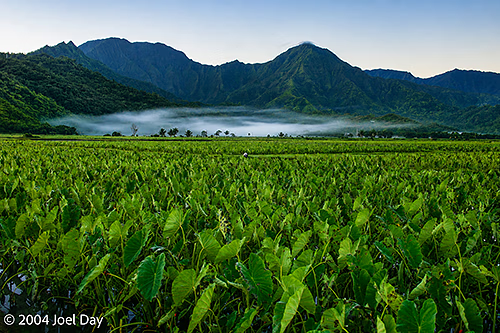
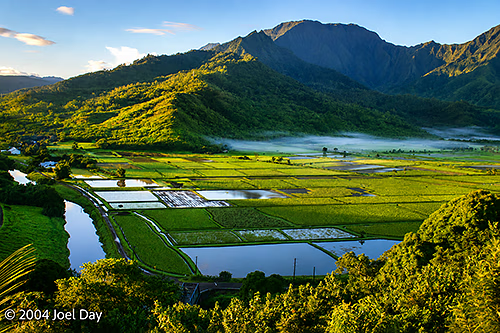
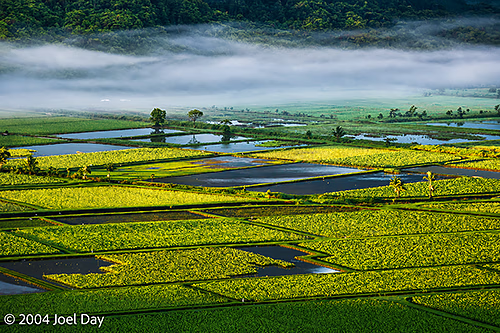
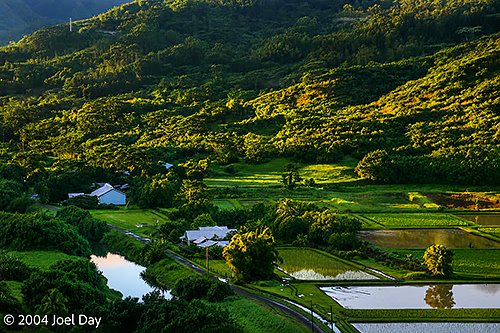
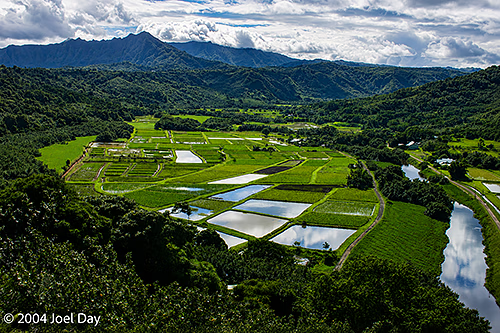
Hawaiian Loʻi Kalo (Taro) fields near Princeville, Island of Kauai, Hawai’iHawaiian Loʻi Kalo (Taro) fields near Princeville, Island of Kauai, Hawai’iHawaiian Loʻi Kalo (Taro) fields near Princeville, Island of Kauai, Hawai’iHawaiian Loʻi Kalo (Taro) fields near Princeville, Island of Kauai, Hawai’iHawaiian Loʻi Kalo (Taro) fields near Princeville, Island of Kauai, Hawai’iHawaiian Loʻi Kalo (Taro) fields near Princeville, Island of Kauai, Hawai’i
After spending a week on Hawaii’s newest island, I hopped a flight from Hilo to Lihue on Hawaii’s oldest and westernmost (inhabited) island: Kauai. Kauai is known as “The Garden Island” for its lush greenery, but all I saw for my first few days there was traffic. Kauai is just a fraction of the size of The Big Island with a population of only 58,000, so there aren’t as many places for tourists to spread out. Basically, there is just one major road that doesn’t even go all the way around the island, and everybody seems to be driving on it. It’s also the wettest place on earth, so there is lots of rain to contend with.
Kapa’a Beach, Island of Kauai, Hawai’i
I decided to head up to the town of Kapaʻa on the east coast as soon as I hit the ground. Although halfway up the island on a map, it was actually only 8 miles from Lihue (where I landed), the biggest town on the island. I found a groovy beach house hostel overlooking the ocean in Kapaʻa. I later realised it was the only hostel worth staying at on the whole island.
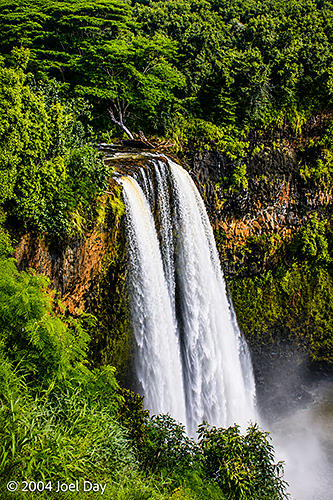
Wailua Falls, Island of Kauai, Hawai’i
On the one hand, the laid-back hostel owner, a purported chiropractor (who never seemed to see any clients), had done a nice job setting the hostel up with mosquito nets and drapes around each bed for privacy. There was a nice constant sea breeze flowing through the premises to cool things down in the evening. On the downside, it quickly became apparent that most of the tenants were long-term.
Most of the hostels I visited in Hawaii seemed deserted, perhaps because of restrictions on how long a visitor could stay. I witnessed two people being kicked out of a HI hostel in Honolulu for overstaying their welcome. This one hostel in Kapaʻa was about half full, but most of the tenants seemed to have had menial jobs in the area and old clunker cars parked out back. They had no real ambition other than to live in Hawaii. The showers were full of old half-used shampoo bottles, just like you would expect to find in someone’s private bathroom. These are the kinds of things you wouldn’t find in most hostels. And the long-term tenants seemed a bit flaky, too. You would ask someone why he or she chose to live on a particular island, and they would respond with phrases like, “I didn’t choose this island. It chose me!”
The problem I find with allowing long-term tenants is they’re not interested in what they perceive as transient tenants, like myself. They’re only interested in networking with other mainlanders who share the same lame ambitions as they do. The whole fun of staying in hostels is meeting other travellers from around the world with similar interests and comparing notes on what’s worth seeing and what’s worth skipping. This policy of allowing long-term tenants made my stay at this hostel somewhat awkward after a few days.
One thing I found different about backpacking around Hawaii was the tourists. Where in most countries you would find about half local tourists, lots of other people from all over the world, and a smattering of American visitors, Hawaii seemed to be 99% Americans and hardly anyone else. And while most Americans seemed to end up at resorts as part of package deals, the low-budget places were full not of tourists but of mainlanders trying to make a go of it in Hawaii.
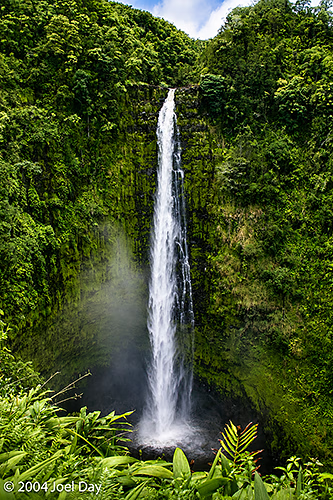
My last full day on The Big Island was quite a fitting one. As an island that is immensely diverse, with every climate imaginable and elevations that range from a warm sea level to a freezing, snow-capped 13,796-foot-high Mauna Kea Mountain, I figured it would be good to start under the ocean and end up in the stars. Sure enough, I started the day snorkelling in my newfound favourite spot of Puako north of Kona before heading up around the northern rim of the island, past the amazing 420-foot-high Akaka Falls on my way back to my Hilo hotel. From there I made an evening side-trip up the forbidden Saddle Road to an elevation of 9200 feet where the Onizuka Center of International Astronomy Visitor Center is positioned, just below the summit, for an evening of stargazing from just below one of the most revered astronomy locations in the world.
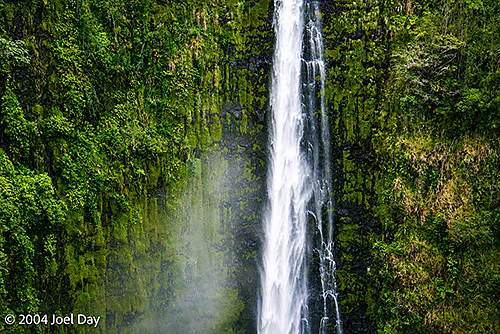
128m / 420ft high ʻAkaka Falls, Island of Hawai’i, Hawai’i128m / 420ft high ʻAkaka Falls, Island of Hawai’i, Hawai’i128m / 420ft high ʻAkaka Falls, Island of Hawai’i, Hawai’i
Mauna Kea is home to multimillion-dollar observatories operated by top scientists from the U.S., the U.K., and Japan. No matter how crappy the weather may be below, this mountain is high enough to poke through the clouds of most storm systems, and it is isolated enough from light pollution elsewhere in the world to offer a better view of space than anywhere else on Earth. The cities of Hilo and Kona even use special low-density, dark-yellow streetlights that emit a single wavelength, so astronomers can filter them out of their observations.
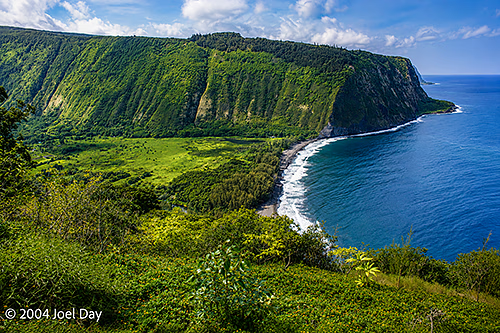
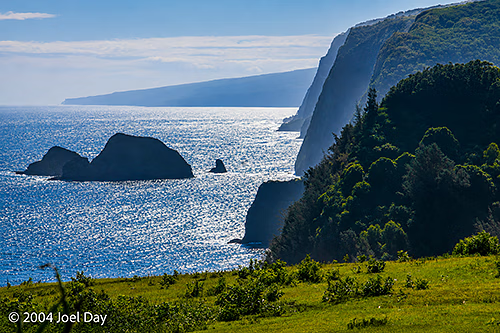
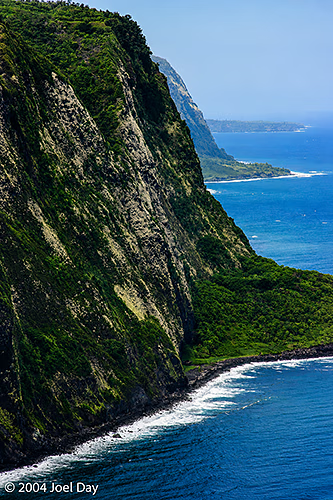
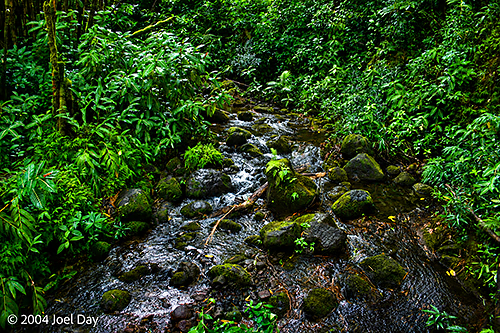
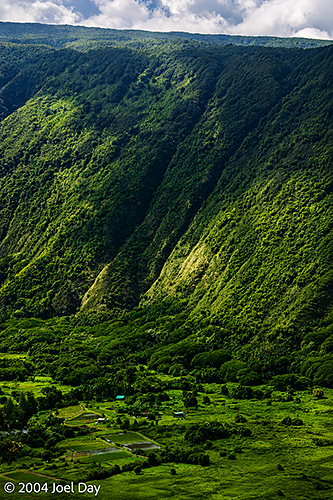
Pololū Valley Lookout on the northern end of the Island of Hawai’i, Hawai’iNorthern coast beyond Waipiʻo Valley, Island of Hawai’i, Hawai’iRainforest Creek, Island of Hawai’i, Hawai’i
The locals in Hilo also seem to like to have a bit of fun living in the tropics while being so close to the snow-capped peaks on the island. On one occasion while I was driving through Hilo, I noticed a pickup truck full of snow parked in front of a local high school. The students were using it to supply ammunition for a big snowball fight on the school’s front lawn in the hot, balmy tropical weather. What an odd scene!
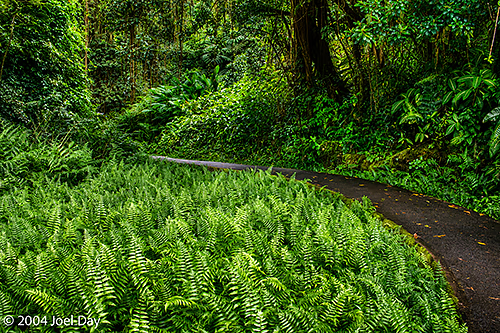
Steep trail descending into Waipiʻo Valley, Island of Hawai’i, Hawai’iWaipiʻo Valley, Island of Hawai’i, Hawai’iFerns along trail to 128m / 420ft high ʻAkaka Falls, Island of Hawai’i, Hawai’i
It was a pretty long, but very cool day. The north side of the Big Island was quite spectacular.
Like most Hawaiian Islands, the Big Island has a very wet windward coast on the east and a very dry leeward coast in the west. The rain forests on the windward coasts are usually really fascinating and full of hippies (or “ferals”, as they are known in Australia), but the constant rain and dampness can eventually start to wear you down. The dry, leeward coasts offer much warmer and sunnier weather with much calmer surf. Of course, the heat in these places can start to wear you down just as quickly.
It seems most visitors to places like the Hawaiian and Fiji Islands are primarily interested in hanging out on a beach, so these dry coasts seem to attract most tourists and tourist resorts. I can’t say I’m much for hanging out on beaches personally, but it’s nice to do a bit of everything while you’re travelling. And besides, there are some places in these areas that are good for snorkelling, and that is something I do like to do.
So there amongst the $500-a-night resorts, including a multi-million dollar Hilton (dubbed “Disneyland” by the locals), I checked into my $20-a-night cabin with ocean views overlooking Hapuna Beach State Park. Okay, it was pretty basic, and it looked like it hadn’t really had any maintenance since it was built in the 1970’s — but it did the trick and was a short walk from a fabulous beach. After being visited by a few spiders, geckos, mosquitoes, ant colonies and mice in my cabin, I just decided to pitch my freestanding tent on the floor so I could sleep in peace. I’ve been used to such nighttime visitors since I first arrived in Fiji.
Hapuna Beach State Park was a good base to use for swimming and some decent snorkelling along some reefs near the southern end of the cove. But the really nice snorkelling was a few clicks down the road behind a wealthy neighbourhood called Puako. I knew I had found a great spot when I spotted an expensive snorkelling tour operator anchored just offshore and other divers climbing out of the surf. Sure enough, it was one of the best snorkelling spots I’ve ever found, with loads of colourful tropical fish swimming into and out of deep canyons a few hundred feet offshore. The divers told me they liked it for the big underwater lava tube they could explore.
While I stayed at Hapuna Beach State Park, I also did the obligatory visit to the Hilton Waikoloa Village (aka Disneyland) — just to see how the other half lives. The answer? They live just like they do at home, with giant shopping malls right there on the beach with them. It reminded me more of King of Prussia Mall than anything else. And to think that King of Prussia is what I try to take vacations from…
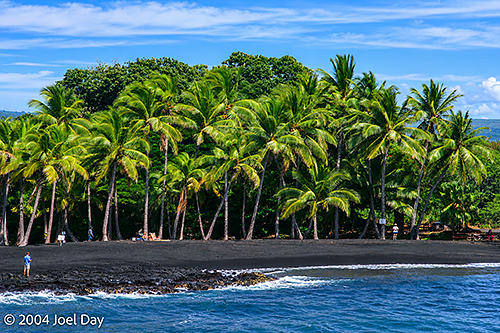
Black Sand and Palm Trees of Punalu’u Beach, Island of Hawai’i, Hawai’i
When I travel, I don’t like to be too organised with accommodation reservations. Part of the fun, for me, is letting myself drift to whatever areas interest me. This strategy works well during low-tourist seasons, but it can backfire when the crowds come in. This made travelling through some parts of New Zealand and Australia difficult.
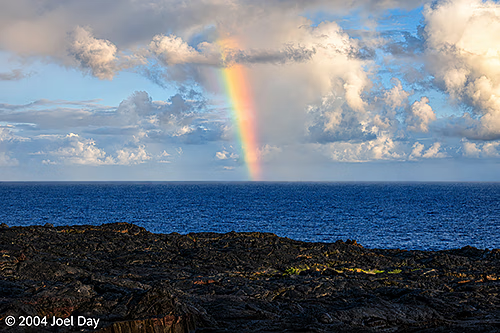
Pacific Ocean Rainbow, Hawai’i Volcanoes National Park, Island of Hawai’i, Hawai’i
Tourism on the Big Island of Hawaii seemed to be at its low point when I flew in, so I thought I would just wing it with accommodation as I made my way around the island. The only problem with Hawaii is that it doesn’t really cater for backpackers like many countries do, and finding cheap accommodation can get a bit difficult. One of the cheapest ways to spend a night is by camping in the numerous state and county (island) parks. The only problem with camping in Hawaii is that you are expected to know exactly which campsites you want to camp in and commit to specific dates as early as possible. Prices range from $3 for county parks to $5 for state parks.
Southernmost Point of the 50 United States, Island of Hawai’i, Hawai’i
Before I left Hawaiian Volcanoes National Park (where camping was fabulous and free), I made an effort to organise my accommodation for the rest of my stay on the Big Island. This required that I make a trip back to Hilo to visit the state park system offices to make my reservations and pay my dues. I thought I was all squared away and continued on my journey from Hawaiian Volcanoes National Park down around the southern end of the island (where I popped down to see Ka Lae, the very southernmost point in the USA) before dropping off at Manuka State Wayside Park.
Much to my dismay, the Manuka State Wayside Park was a real dive. It was right along the main highway circling the island, and there was a constant stream of drunken locals dropping by to use the restrooms, and there were no other campers in sight. I couldn’t even find where I was supposed to camp in the first place.
A few hours before nightfall, I decided to see what other places I could spend the night at up the west coast (in the direction I was heading). There were very few options listed in my Lonely Planet Guide, and I had a lot of trouble finding them. Some were in seemingly unwelcome neighbourhoods with no one answering their doors; others were just too hard to find. After a long, frantic search, I finally ended up at a sister hostel to the one I stayed at on the east coast in Mountain View. This one was in the town of Captain Cook, which I thought was fitting for me since it’s where the Hawaiians killed the European founder of Australia.
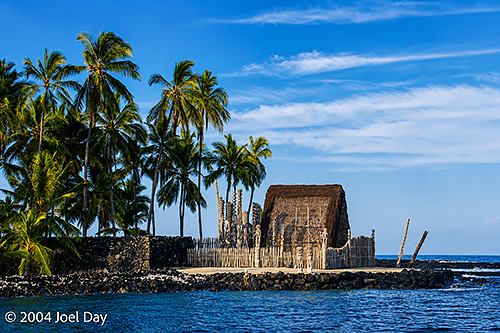
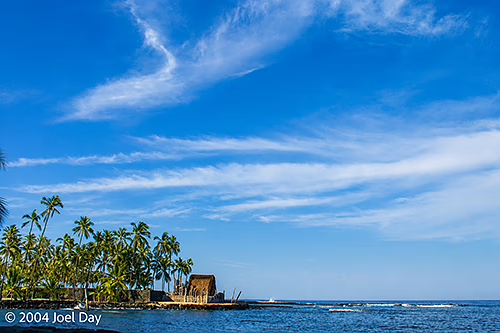
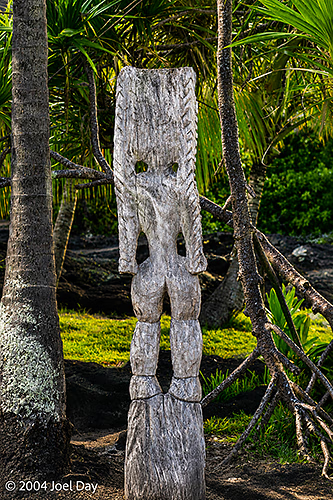
Hale o Keawe at Puʻuhonua o Hōnaunau National Historical Park, Island of Hawai’i, Hawai’i
I was expecting a nice hostel due to its association with the Mountain View hostel on the East Coast, but this place was really nothing special. The son of the eccentric woman running the East Coast hostel ran it, and you sure could see the family resemblance. Like many other former mainlanders I’ve met around here in their late fifties, the owner seemed to be an aging hippie who was bitter and cynical about a life spent too long in what was supposed to be paradise. Perhaps he lived there for decades, and his island life didn’t turn out as he had hoped. Nevertheless, I really had no option but to spend the night and avoid his proselytising friend (whom he warned me about when I checked in).
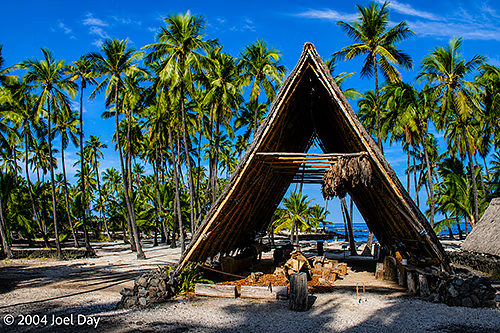
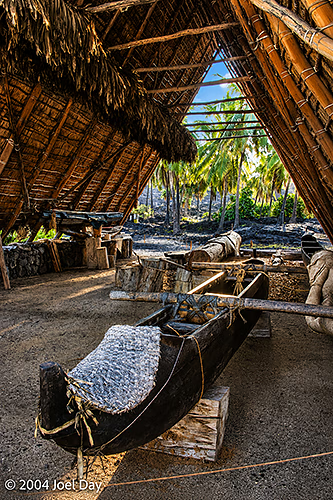
Thatched Shelter at Puʻuhonua o Hōnaunau National Historical Park, Island of Hawai’i, Hawai’i
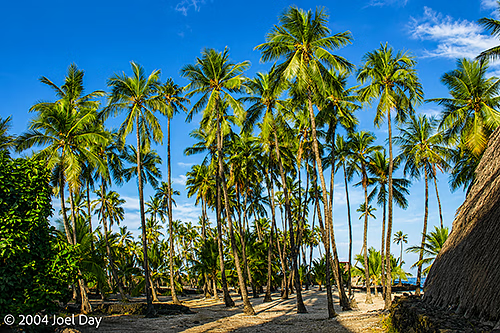
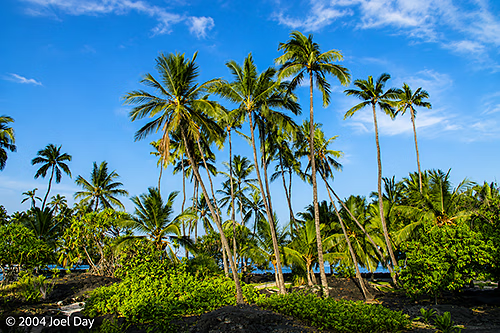
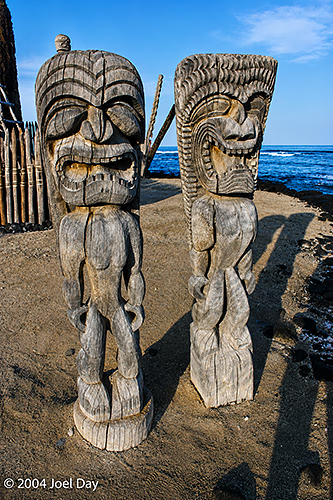
I ducked out early in the morning and headed down to a really cool and beautiful National Historical Park on Hōnaunau Point called Puʻuhonua o Hōnaunau. Like the other National Parks I came across in Hawaii, it was much nicer than the state and county parks. Historically, Puʻuhonua o Hōnaunau was a safe haven where Hawaiians could escape to avoid death sentences. It is also a place where many powerful chiefs of the Hawaiian Islands once lived. It’s yet another place around here that Mark Twain visited and wrote about. The views around Puʻuhonua o Hōnaunau were more along the lines of what people envision the paradise of Hawaii to be like, and less like what it really is.
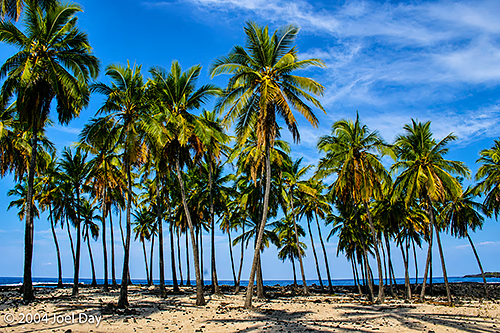
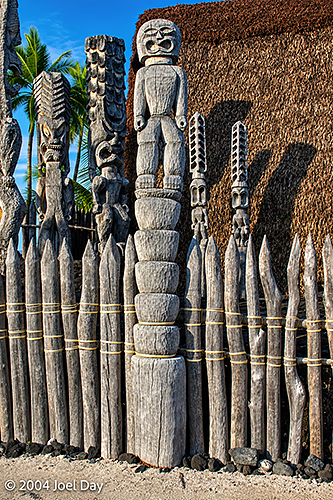
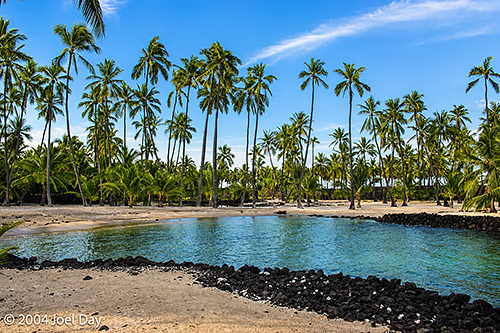
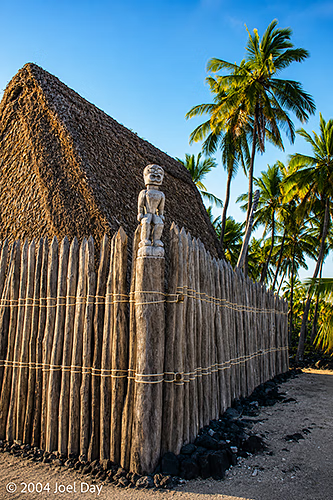
Palm Trees on Beach at Puʻuhonua o Hōnaunau National Historical Park, Island of Hawai’i, Hawai’iThatched Shelter at Puʻuhonua o Hōnaunau National Historical Park, Island of Hawai’i, Hawai’iPalm Trees on Beach at Puʻuhonua o Hōnaunau National Historical Park, Island of Hawai’i, Hawai’iGuardians of Hale o Keawe at Puʻuhonua o Hōnaunau National Historical Park, Island of Hawai’i, Hawai’iPalm Trees on Beach at Puʻuhonua o Hōnaunau National Historical Park, Island of Hawai’i, Hawai’iHale o Keawe at Puʻuhonua o Hōnaunau National Historical Park, Island of Hawai’i, Hawai’iPalm Trees on Beach at Puʻuhonua o Hōnaunau National Historical Park, Island of Hawai’i, Hawai’iHale o Keawe at Puʻuhonua o Hōnaunau National Historical Park, Island of Hawai’i, Hawai’iHale o Keawe at Puʻuhonua o Hōnaunau National Historical Park, Island of Hawai’i, Hawai’iGuardian of Hale o Keawe at Puʻuhonua o Hōnaunau National Historical Park, Island of Hawai’i, Hawai’i
After spending a few early hours around Puʻuhonua o Hōnaunau, I started to head up north to my next night’s destination: Hapuna Beach.
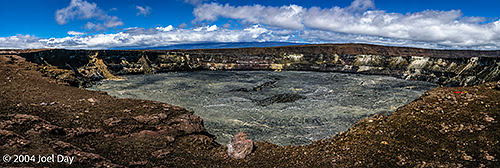
Kilauea Volcano, Hawai’i Volcanoes National Park, Island of Hawai’i, Hawai’i
As I mentioned before, the Big Island of Hawaii holds a few distinctions. Not only does it have the wettest city in the U.S. (Hilo), it also has the southernmost town in the U.S. (where I’m posting this blog entry: Naalehu), and the biggest mountain in the world (if you consider the fact that, unlike Mount Everest, it starts on the floor of the ocean).
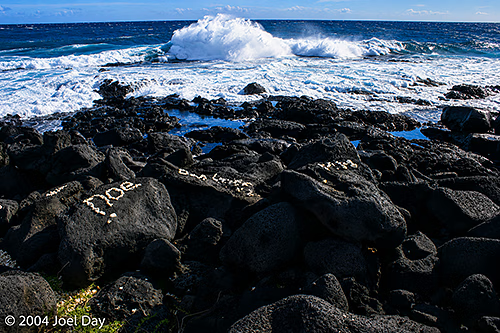
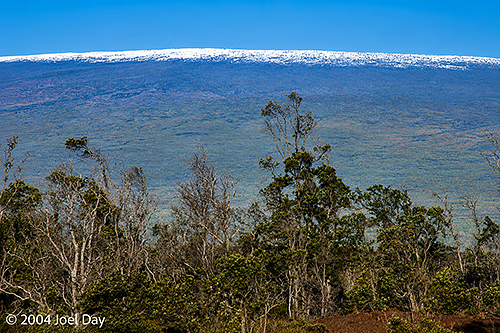
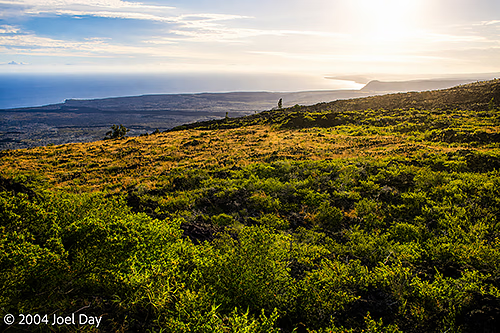
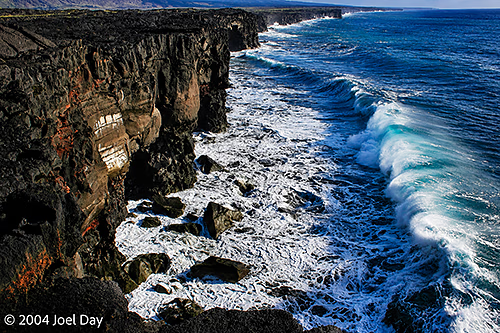
Snow-capped Mauna Loa Volcano in Hawai’i Volcanoes National Park, Island of Hawai’i, Hawai’iMauna Loa Lookout, Hawai’i Volcanoes National Park, Island of Hawai’i, Hawai’iPacific Ocean waves crashing into volcanic coast, Hawai’i Volcanoes National Park, Island of Hawai’i, Hawai’i
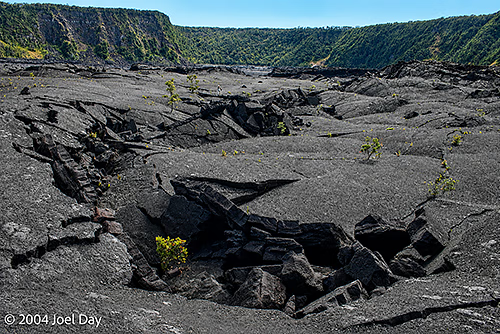
I spent the past few days camping and hiking on this world’s largest mountain while visiting Hawaii Volcanoes National Park. The park is a pretty amazing place with huge extremes in climate, elevation, and environments. The park runs from sea level up to a 13,700-foot peak covered in snow. There are about 150 miles of hiking trails throughout the park (including the summit trail), but it is best known for its very active volcanoes and lava flows.
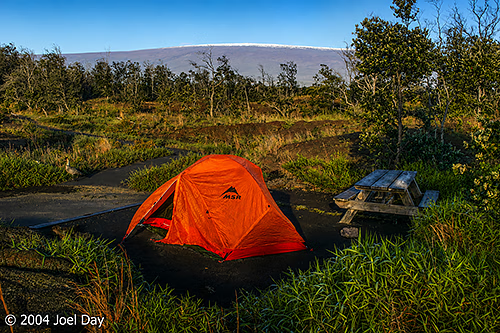
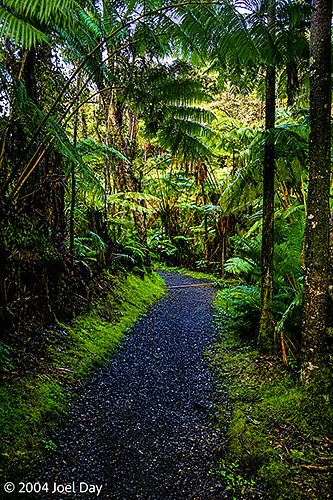
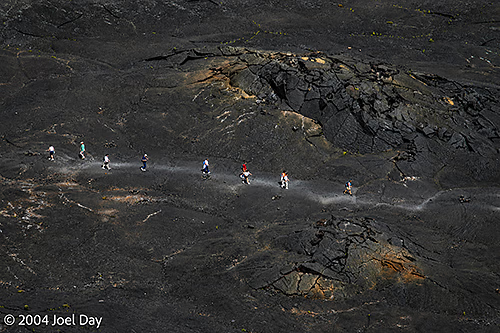
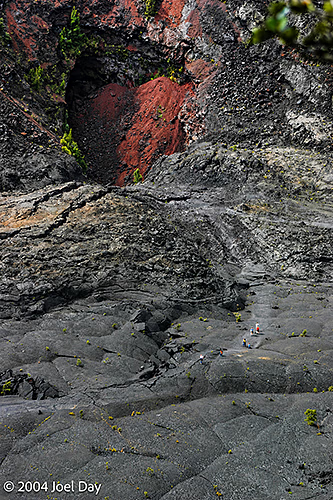
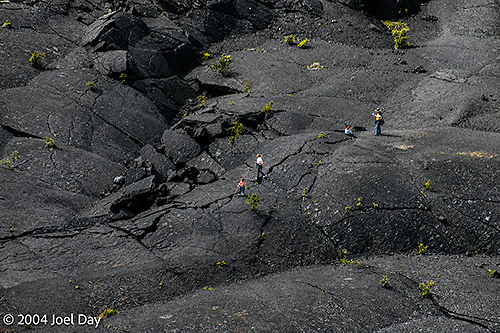
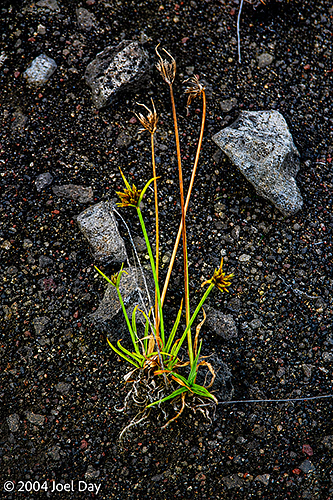
Camping in the shadow of the snow-capped Mauna Loa Volcano in Hawai’i Volcanoes National Park, Island of Hawai’i, Hawai’iRainforest walk in Hawai’i Volcanoes National Park, Island of Hawai’i, Hawai’iKīlauea Iki Crater Hike, Hawai’i Volcanoes National Park, Island of Hawai’i, Hawai’iKīlauea Iki Crater Hike, Hawai’i Volcanoes National Park, Island of Hawai’i, Hawai’iKīlauea Iki Crater Hike, Hawai’i Volcanoes National Park, Island of Hawai’i, Hawai’iGreen shoots growing out of volcanic soil, Hawai’i Volcanoes National Park, Island of Hawai’i, Hawai’iKīlauea Iki Crater Hike, Hawai’i Volcanoes National Park, Island of Hawai’i, Hawai’i
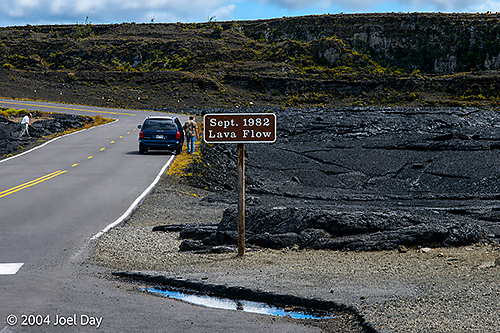
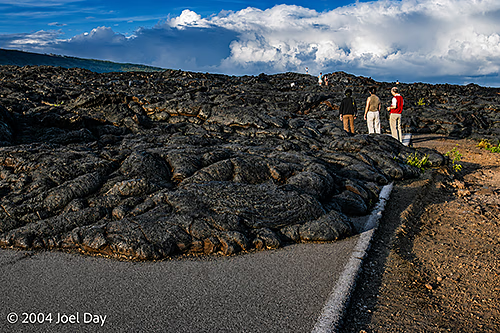
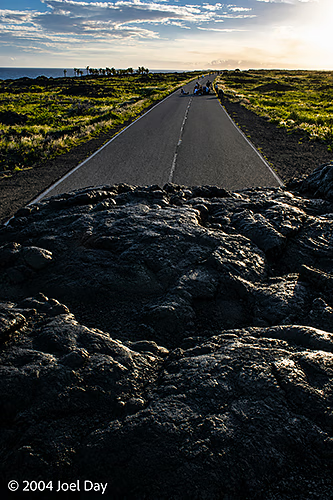
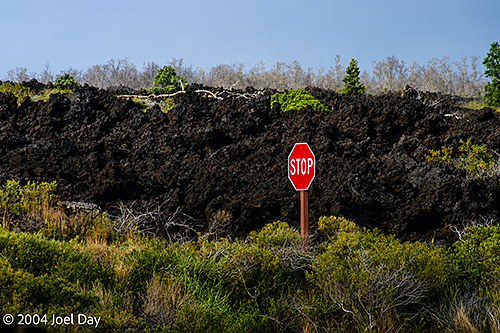
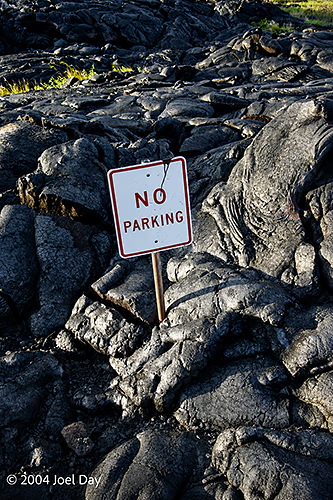
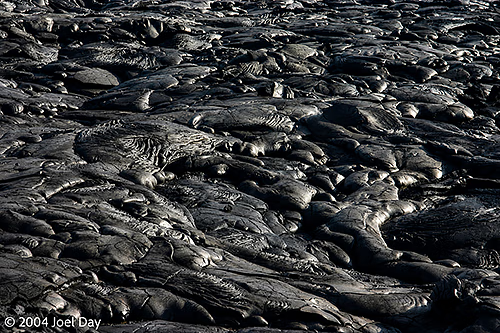
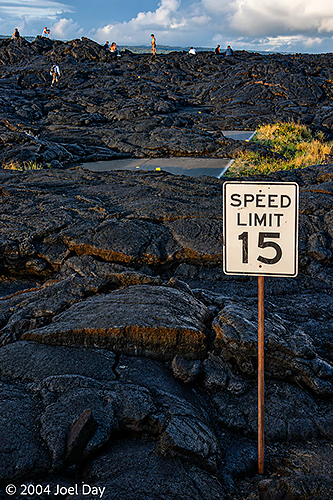
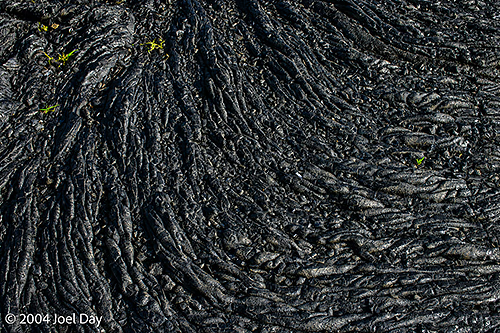
Hawaii Volcanoes National Park is the place you hear about lava flows in Hawaii, which crop up on the news every so often because they happen so frequently. The Big Island of Hawaii is the youngest of the Hawaiian Islands and continues to grow due to frequent volcanic eruptions. There are probably 15 or 20 active volcanic craters in the park, many of which have spewed lava in recent years. Throughout the park, there are huge hardened (cooled) lava flows that were making their way down to the sea before they froze into rock. You occasionally come to these clearings in the tropical growth along the road, where you’ll find nothing but black, hardened lava on either side. Signs are posted next to these flows indicating the years the lava flowed: 1959, 1974, 1982, 1998, 2002, 2003.
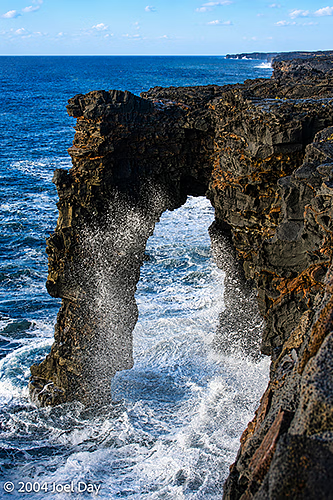
Lava Flow Path in 1982, Hawai’i Volcanoes National Park, Island of Hawai’i, Hawai’iHōlei Sea Arch, Hawai’i Volcanoes National Park, Island of Hawai’i, Hawai’i
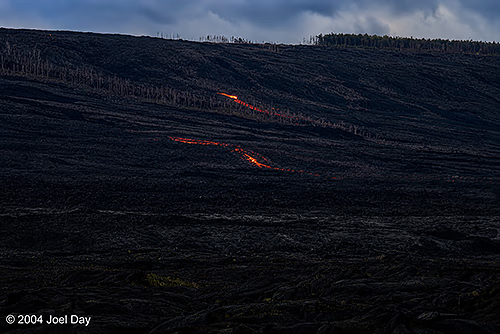
You can still see live (hot) lava flows in some parts of the park, which glow bright red at night. In other parts of the park, you can hike across craters that were last active in 1959 but continue to smell of sulphur as they steam off the rainwater that falls down into their cracks. They say these craters are much like frozen lakes, except instead of ice you walk on a relatively thin crust of rock. Instead of there being water below, you’re walking over magma — just a few hundred feet down. All of these active craters could wake up and erupt more lava at any time, but they seem better positioned to predict eruptions these days by closely monitoring seismic activity in the area.
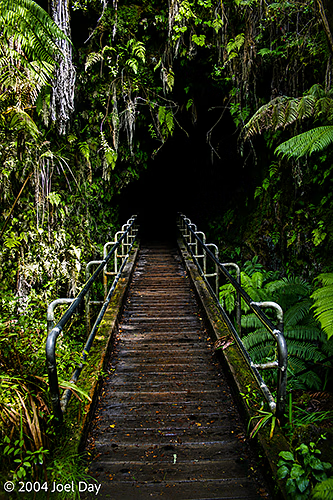
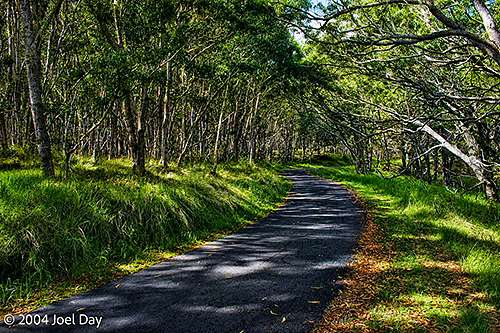
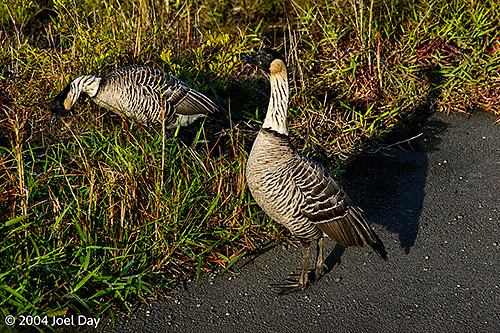
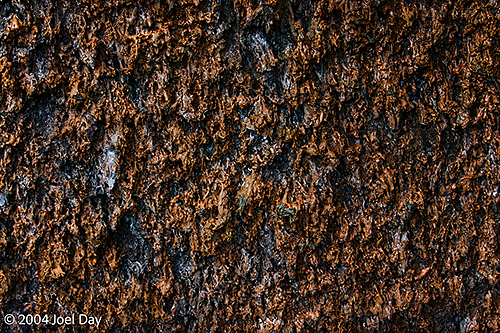
Lava glowing at night in Hawai’i Volcanoes National Park, Island of Hawai’i, Hawai’iEntrance to Nāhuku (Thurston Lava Tube), Hawai’i Volcanoes National Park, Island of Hawai’i, Hawai’iHike to Mauna Loa Lookout, Hawai’i Volcanoes National Park, Island of Hawai’i, Hawai’iNēnē, or Hawaiian geese (Branta sandvicensis), the state bird of Hawaii in Hawai’i Volcanoes National Park, Island of Hawai’i, Hawai’iVolcanic Rock Pattern, Hawai’i Volcanoes National Park, Island of Hawai’i, Hawai’i
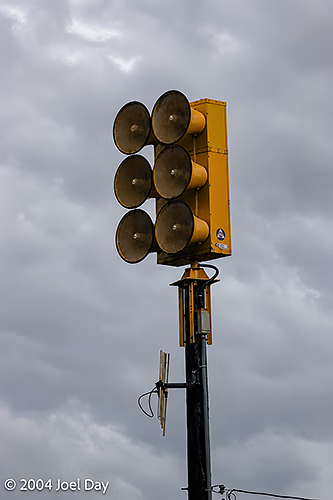
Throughout the park, there were warnings about frequent earthquakes and fault lines opening up. There were also warnings about tidal waves, saying you should run from the ocean to higher ground if there are any earthquakes. Lava flows, earthquakes, and tidal waves have wiped out entire towns on this island in just the last century.
Hardened lava blocking road in Hawai’i Volcanoes National Park, Island of Hawai’i, Hawai’iHardened lava blocking road in Hawai’i Volcanoes National Park, Island of Hawai’i, Hawai’iHardened lava blocking road in Hawai’i Volcanoes National Park, Island of Hawai’i, Hawai’iHardened lava blocking road in Hawai’i Volcanoes National Park, Island of Hawai’i, Hawai’iHardened Lava in Hawai’i Volcanoes National Park, Island of Hawai’i, Hawai’iHardened lava blocking road in Hawai’i Volcanoes National Park, Island of Hawai’i, Hawai’i
After a few days in overpopulated Oahu (which is the home of Honolulu), I hopped on my long-planned flight to Hilo (pronounced Heel-o) on the island of Hawaii. As in New York State, people have to make the distinction between the state and the island, so they refer to the island of Hawaii as “The Big Island” (as opposed to the State of Hawaii — of which it’s part). Hilo holds the distinction of being America’s wettest city, getting about 6 meters of rain a year. Fortunately, the Big Island, roughly the size of Connecticut, is large enough that different parts of the state have distinct climates.
I spent my first couple of days roaming around the tiny city of Hilo (albeit the biggest on this island) just trying to get supplies. Hilo is probably not much bigger than Lititz or Manheim, PA (50,000?). And unfortunately, they have a Walmart. This means the city isn’t big enough to support both Walmart and small-shop owners, who are far more likely to be experts in their fields. The minimum wage paid to Walmart staff, as usual, meant they didn’t know anything about what they were selling. I also ran into this problem with K-Mart in some small Australian cities.
Getting used to shopping in American supermarkets again was another headache. Healthy food was awfully hard to find, with double-sugar here and triple-sized items there. Needless to say, this severely complicated my ability to get healthy, non-perishable camping food, camping fuel (I had to figure out what Australian “Methylated Spirits” translates to around here), and to get some basic, easy photo needs met (which were over the heads of Walmart employees).
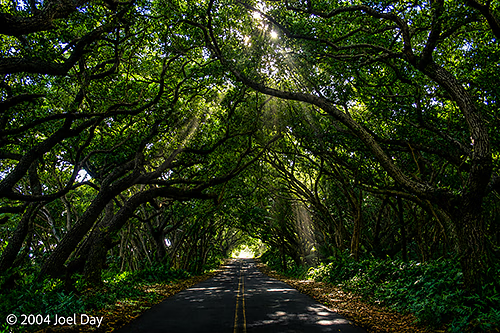
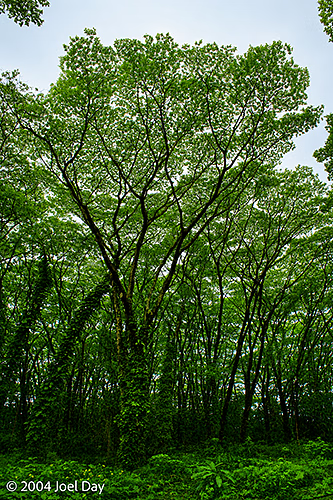
Monkeypod or Rain Trees (Samanea saman) along road south of Hilo, Hawai’i
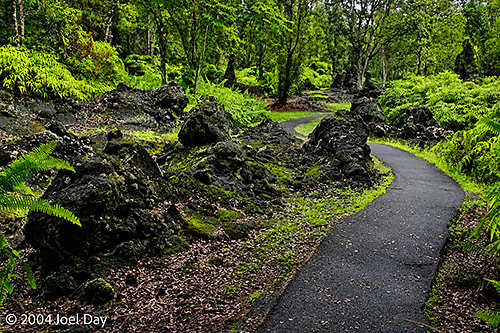
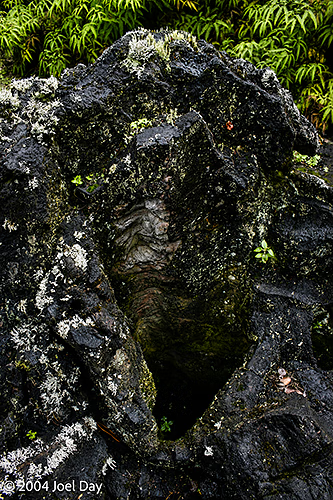
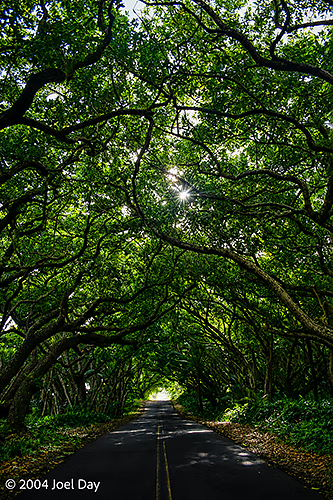
After about 24 hours of aggravation, I finally got out of Hilo and started heading down the west coast. The area, known as Puna, is famous for its hippies (or ferals, as we call them in Australia), rainforests, spectacular coasts, and volcanic remnants (including cool casts of trees caught in the lava). I found a hostel in the area with a very eccentric manager and lots of empty rooms. This seems like a really good time to visit Hawaii!
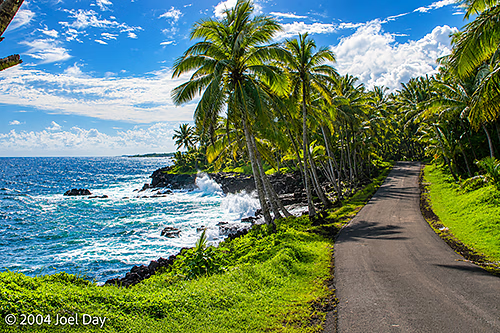
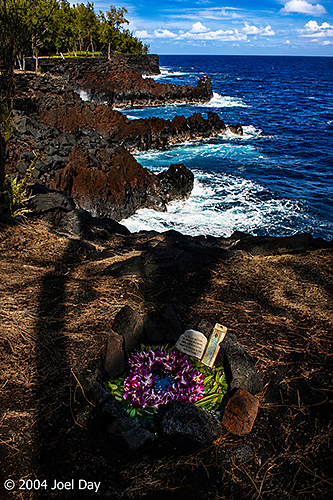
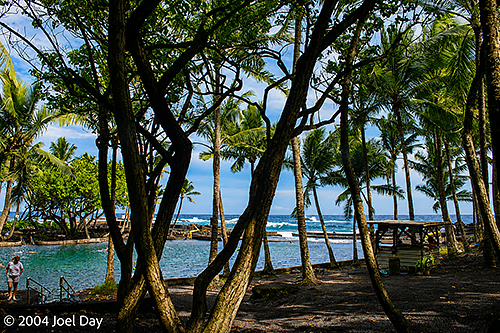
Palm Trees along coastal road south of Hilo, Hawai’iCoast south of Hilo, Hawai’iHot springs along coast south of Hilo, Hawai’iMonkeypod or Rain Trees (Samanea saman) along road south of Hilo, Hawai’iLava Tree State Monument, south of Hilo, Hawai’iLava Tree State Monument, south of Hilo, Hawai’iVolcanic terrain with green shoots south of Hilo, Hawai’iMonkeypod or Rain Trees (Samanea saman) along road south of Hilo, Hawai’i
After the longest day in my life, I found myself in Honolulu for a few days to recharge my batteries. I considered it my longest day because it started in Levuka, Fiji, when I flew back to Suva and then on to Nadi, where I had to wait for my departing flight to Honolulu at 11 PM. Of course, due to the International Dateline, I arrived in Hawaii at 7 AM the same day — giving me the opportunity to live through October 22nd twice — and in two different countries.
I checked into a hostel near the university where I found two roommates waiting for me in my dorm room. Oddly enough, one was from Perth, Australia, and the other was from Philadelphia, Pennsylvania. Talk about weird! It was funny to see the contrast in people between the two places I’ve spent most of my life. The Philadelphian, who was probably 15 years older than me, seemed to be primarily interested in pegging where I was on the class hierarchy that plays such a prominent role in the eastern U.S. by asking me lots of probing questions about what neighbourhoods I lived in and what schools I attended. The Australian guy, who was about 15 years younger than me, just seemed to want to be friends (not seeming to care anything about me other than the fact that I was from Perth). I didn’t feel I had a whole lot in common with either of them, but ended up spending most of my time with the Perth guy.
We visited the Pearl Harbor Memorial one day, which stuck me as a previous generation’s World Trade Center, and we did the popular hike to the top of Diamond Head the next morning. The Pearl Harbor Memorial was very interesting and a bit sobering. There was about a 2-hour wait to get out of the memorial, which is positioned on top of the sunken U.S.S. Arizona — which still contains the bodies of the sailors who died in the attack and still visibly leaks oil to this day. While you waited for the boat ride, there were exhibits you could go through.
Diamond Head is a non-active volcano which housed a defence fort for Honolulu (which was active during the Pearl Harbour attack), and it also happens to have a spectacular view of Waikiki from its top. It’s a pretty gruelling climb, but that didn’t seem to stop too many out-of-shape people.
Afterwards we visited the Waikiki Aquarium, which was full of beautiful tropical fish (just like I’ve been viewing by snorkelling in Fiji and Australia) and lots of cool hard and soft coral. Then we had a nice lunch in a cafe with a nice view to watch the world go by.
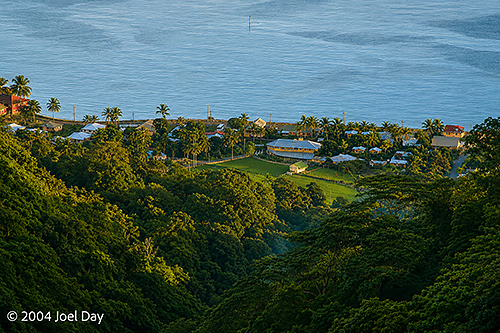
My final week in Fiji was spent in the historic former Fijian capital, Levuka, on the volcanic island of Ovalau, off the east coast of Viti Levu, the largest Fijian island.
View from Volcanic Rim on Lovoni to Levuka Hiking Track, Ovalau Island, Fiji
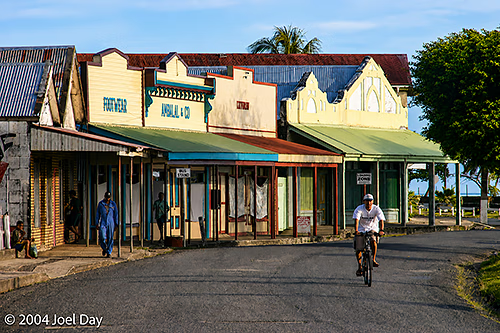
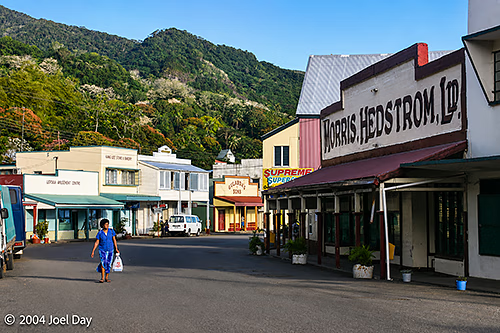
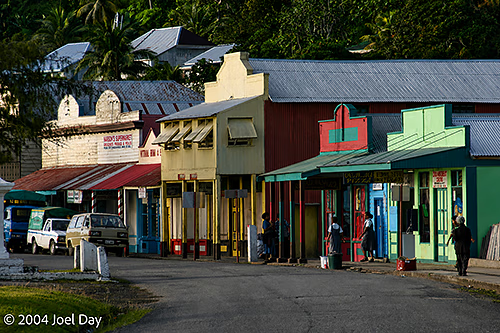
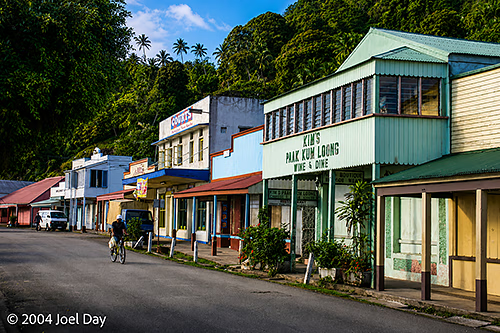
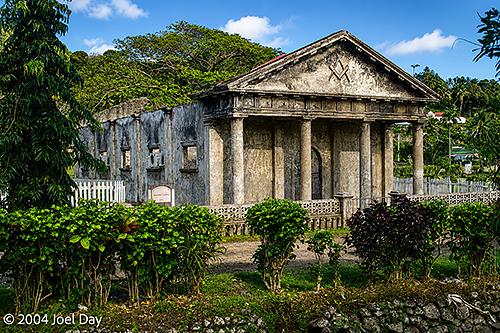
Levuka was the brief capital of Fiji for about 8 years in the 1800’s (just before it moved to Suva), and it continues to resemble a wild west town from that period — with many of the old colonial buildings still intact. Like most of Fiji, the locals were extremely friendly and hospitable, but very poor. It was nice to visit an area where you didn’t have the burden of merchants hawking their wares to you continually (like in Nadi). Nobody hassled you at all over there. Virtually everyone would just give you a big smile when they saw you and say “Bula!” (Fijian for “Cheers!”)
Early Morning on Levuka’s Main Street, Ovalau Island, FijiEarly Morning on Levuka’s Main Street, Ovalau Island, FijiEarly Morning on Levuka’s Main Street, Ovalau Island, FijiEarly Morning on Levuka’s Main Street, Ovalau Island, FijiEarly Morning on Levuka’s Main Street, Ovalau Island, Fiji
It was an interesting experience to go to the East Coast, away from most of the tourist sites. After spending a few days in a rain forest north of Suva (Fiji’s capital today), I opted to take the cheap route to Lavuka and ride the ferry with the locals to get out on the island. A mere 50-mile route became an arduous six-hour journey in a packed, cramped school-like bus, with everything imaginable sans livestock on board. All on a narrow, dangerous, bumpy road.
I was expecting to be on a ferry for most of the journey, but instead they bused us halfway up the coast for an agonising 3-hour ride to board a short ferry that runs out to the island (on the shortest stretch of sea). We had to wait an additional 2 hours for the ferry to arrive, empty, refuel, and fill up again, and then drive another hour after the ferry ride on a bumpy bus that took us around the perimeter of the island, stopping at each village along the way to drop off the odd passenger. I chose to fly back to Suva this morning to cut the aggravation, and it only took 12 minutes!
I stayed in the South Pacific’s oldest continually used hotel while in Lavuka. It was pretty well preserved from the colonial period in which it was built, and dirt cheap as well. I only paid FJ$20 a night (about US$12). Lavuka was a taste of the real Fiji, but it was also a bit frustrating as a short-term tourist. It was hard to do too many activities because of the lax attitude of many tourism businesses there (often run by Europeans who would just tell you to come back tomorrow).
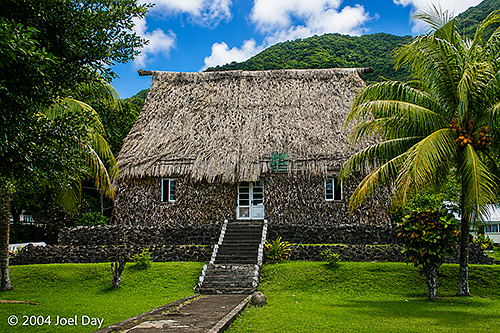
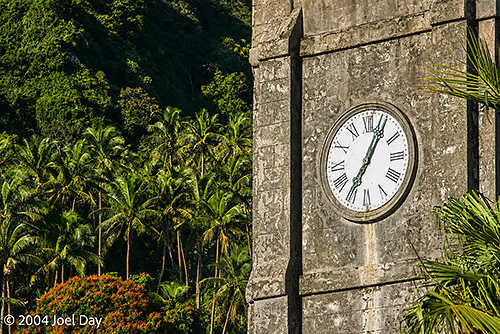
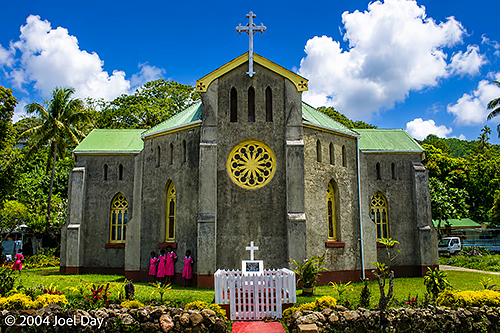
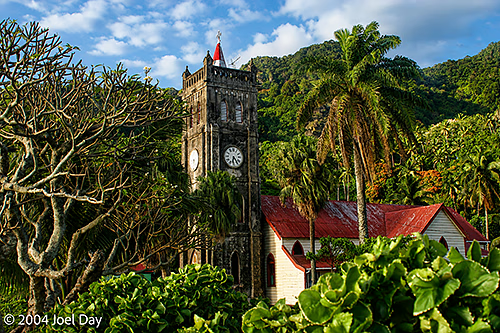
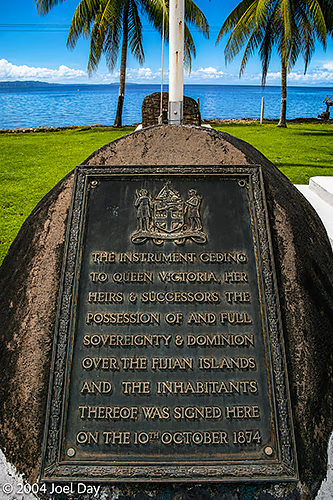
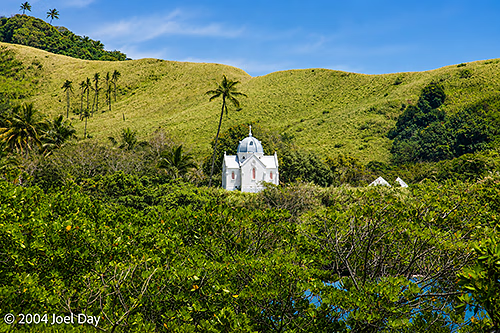
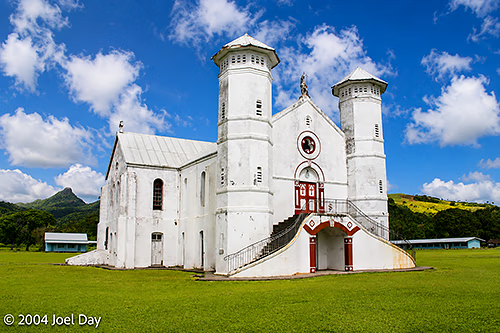
Traditional Fijian Bure, Levuka, Ovalau Island, FijiSacred Heart Parish Catholic Church, Levuka, Ovalau Island, FijiHistoric Masonic Lodge in Levuka, Ovalau Island, FijiSacred Heart Church, Levuka, Ovalau Island, FijiSacred Heart Parish Catholic Church, Levuka, Ovalau Island, FijiLevuka Deed of Cession, Ovalau Island, Fiji
The most memorable excursion out there was probably the visit to the head village of Lovonie (in the centre of the crater in the middle of the island) and the treacherous hike back up over the crater rim and back down into the coastal town of Levuka. The journey was led by a local guide who’s been doing this tour for ten years and involved trekking through dense jungle on an overgrown track. Like every other hike I’ve had in Fiji, the guide had to rely on a machete to hack through overgrown jungle throughout the hike. There were only three of us doing the hike that day, and the guide explained to us that he usually cancels if there are fewer than four — but agreed to take us for the hike if we agreed to take public transportation (the back of a truck) to his village for the included traditional lunch and storytelling.
Chief’s House, Lovoni Village, Ovalau Island, Fiji
The only problem was that the delay caused by relying on public transportation forced us to start late. In addition, the three of us chose to do a more strenuous, longer trail that our guide hadn’t used in months. As it turned out, we reached the peak at sunset and ended up hiking down through the dense jungle in the pitch-black. The trail was quite treacherous (especially at night), and I was sure at times we were going to have to sleep out up there in the jungle that night — but our guide came through and built torches from dried banana leaves to illuminate our way through the pitch-black, dense vegetation. He was quite embarrassed about the whole affair and keen to sneak back into town without letting the locals know what had happened. He kept trying to buy us dinner and beer afterwards to make up for it.
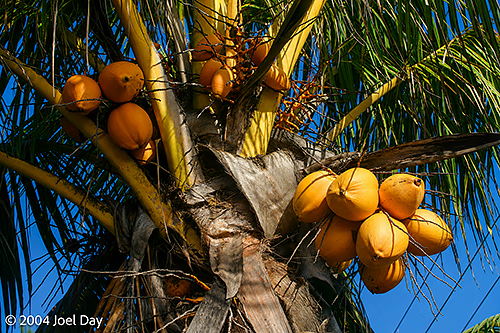
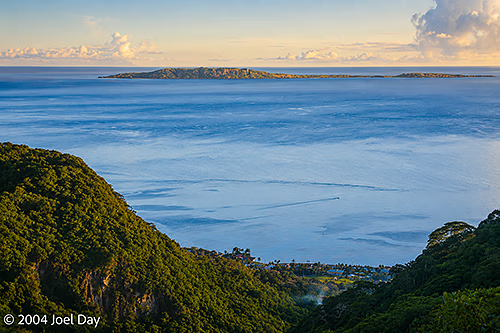
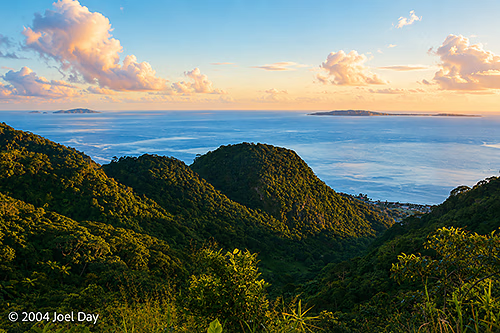
View from Volcanic Rim on Lovoni to Levuka Hiking Track, Ovalau Island, FijiView from Volcanic Rim on Lovoni to Levuka Hiking Track, Ovalau Island, FijiView from Volcanic Rim on Lovoni to Levuka Hiking Track, Ovalau Island, FijiCoconuts, Ovalau Island, FijiView from Volcanic Rim on Lovoni to Levuka Hiking Track, Ovalau Island, FijiView from Volcanic Rim on Lovoni to Levuka Hiking Track, Ovalau Island, Fiji
I also managed to get a bit of cycling around part of the island’s perimeter (where the only road runs) and do a bit of snorkelling off the coast. The snorkelling was quite good with lots of colourful tropical fish and coral — when you got away from the polluted villages. The locals seemed a bit baffled at what the tourists got up to: Snorkelling? Why would people do that? We use the ocean to fish, but otherwise just throw our trash in there. Adults on bicycles? A scene that makes the local children point and laugh.
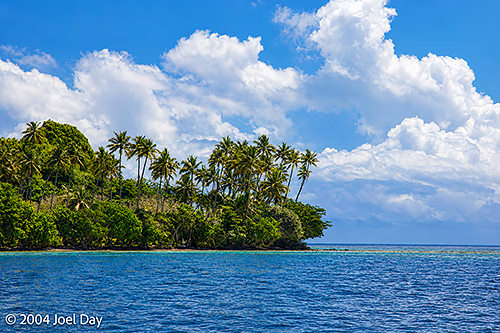
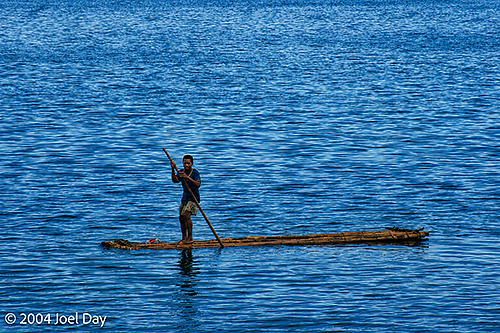
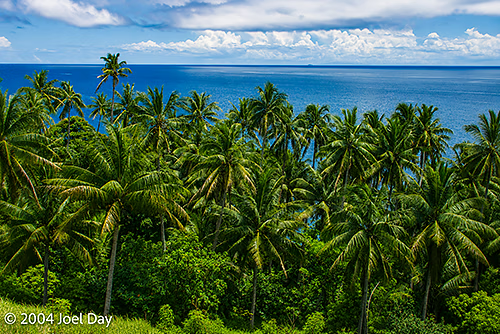
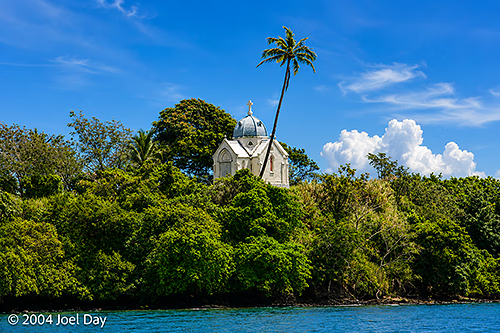
The Bishop’s Tomb Historic Site, Cawaci, Ovalau Island, FijiCoastal Palm Trees on East Coast of Ovalau Island, FijiMan Paddling Handmade Raft on Sea along Ovalau Island, FijiCoastal Palm Trees on East Coast of Ovalau Island, FijiThe Bishop’s Tomb Historic Site, Cawaci, Ovalau Island, FijiSt. John the Baptist Catholic Church, Cawaci, Ovalau Island, Fiji
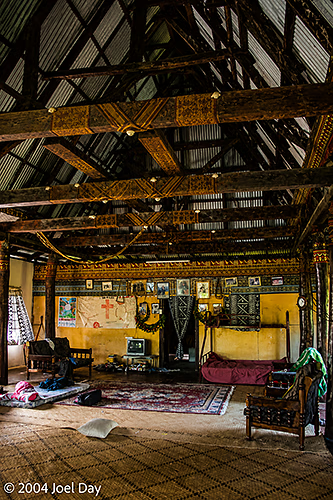
Fijians consider it rude to just rock up to a village without an invitation. You are supposed to ask to see the village chief when you arrive in a village and give them a gift, like Kava, in exchange for passage through the area. Needless to say, it gets a bit awkward trying to explore very far because you’re always stumbling across villages, and it’s time-consuming to continually have to meet with the chief to ask for permission. As I’ve said before, the people in the villages are very friendly, but very poor. Most homes are hot tin shacks with no furniture. Entertaining is done by sitting on woven mats on the floor. And despite this lack of wealth, they will offer you their food — which you are really expected to accept.
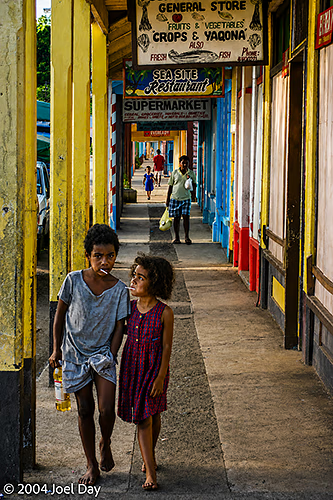
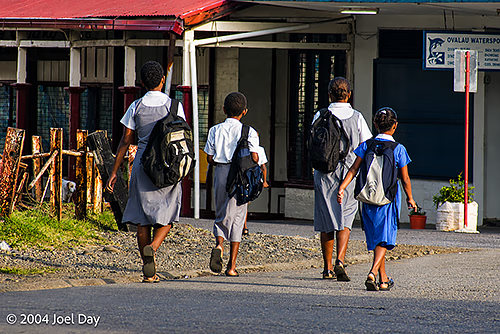
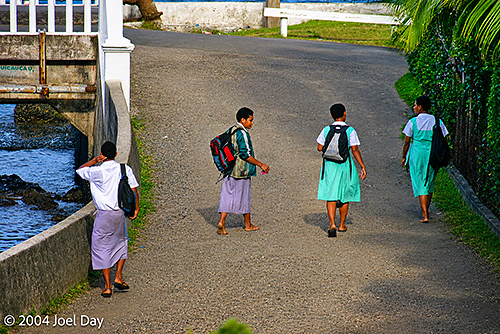
Children walking to School, Levuka, Ovalau Island, FijiChildren walking to School, Levuka, Ovalau Island, Fiji
Unfortunately, many villages are not the most sanitary, so you really have to be careful with their generosity. While the water is safe in the resort areas and big cities of Suva and Nadi, it is not safe in these small villages. I had to keep pointing to my Fiji water bottle every time someone tried to offer me water while I cycled through their villages, to avoid drinking their local water (and getting sick).
It was quite distressing to see how the locals regarded their beautiful ocean and reefs. I can’t tell you how many times I saw Levukians bundle up big bags of trash and just throw them into the ocean. The coast along the villages and towns was littered with trash. There were also plenty of other serious health concerns around the area. I spent some time with a retired American public health worker who pointed out all kinds of problems to me, including lots of raw sewage draining untreated into the sea and half the kids running around with ringworm (which you can evidently see as a fungus growing on their forearms). I think the place’s sanitation caught up with me yesterday, when I came down with a bad bout of food poisoning and couldn’t get out of bed for most of the day.
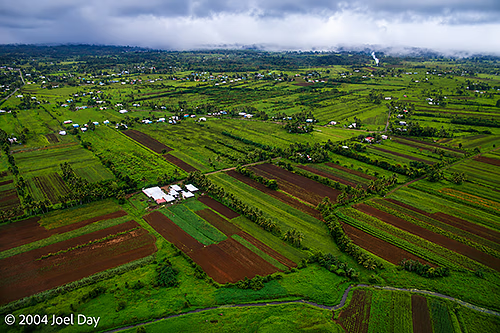
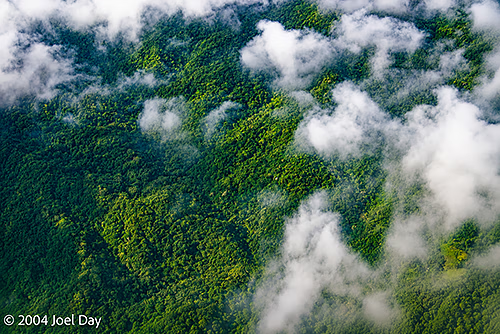
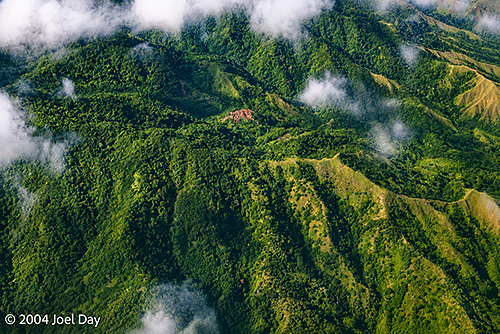
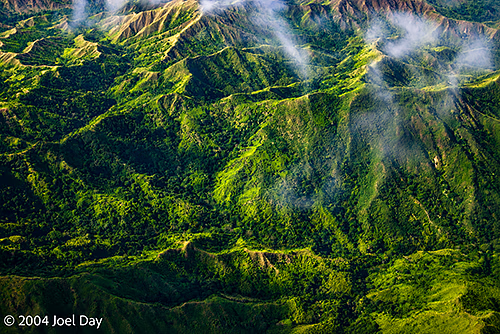
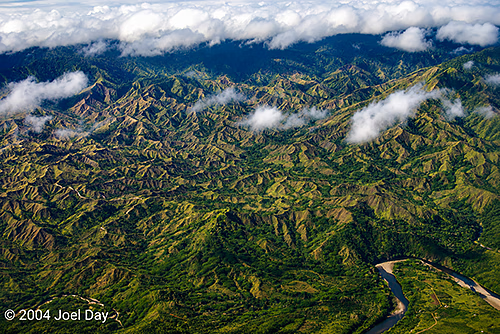
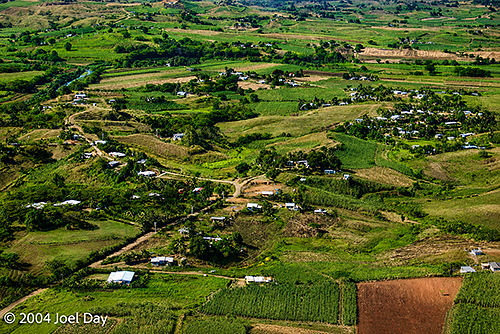
Here are some photos from the flights I took from a jungle mountain airstrip on Ovalau Island to Suva, and then on to Nadi:
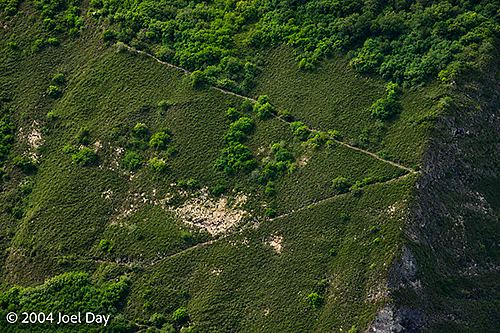
Aerial Images of Rural FijiAerial Images of Interior FijiAerial Images of Interior FijiAerial Images of Interior FijiAerial Images of Interior FijiAerial Images of Rural Fiji
You must be logged in to post a comment.