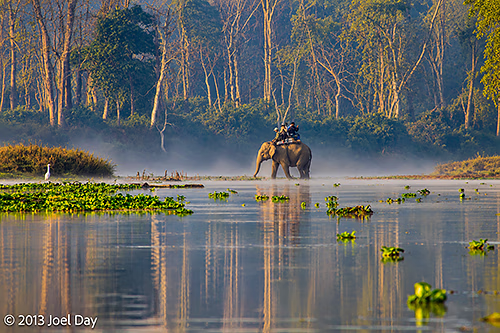
Woke this morning to the smell of a burning spliff drifting from a nearby farmer’s field. Perhaps he was just burning off a crop in the cool, damp early morning hours. Today was safari day, and first up after breakfast was the safari-on-an-elephant’s-back safari. I have been on the back of an elephant’s back before and know two things:
- It’s not the most comfortable experience, continually rocking back and forth and side to side, and
- It is not very ideal for trying to take pictures and change lenses with big, bulky cameras.
I reluctantly agreed to do the elephant ride as long as I could also do a jeep ride when I negotiated my tour with my Kathmandu hotel manager.
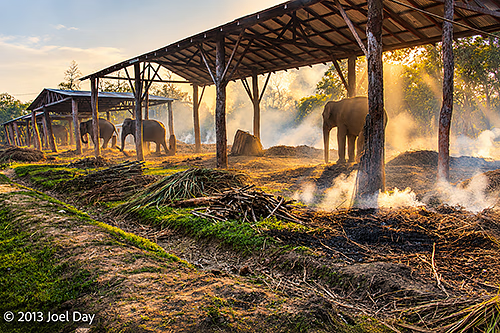
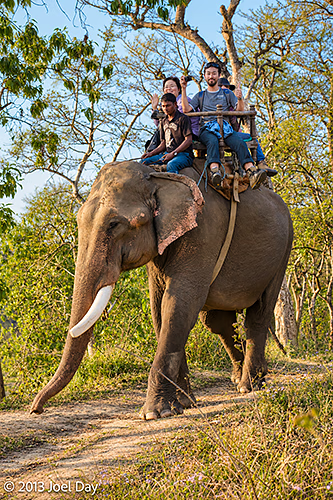
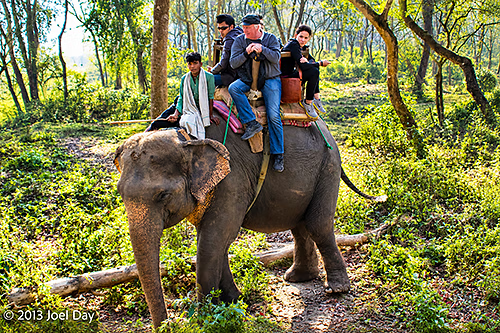
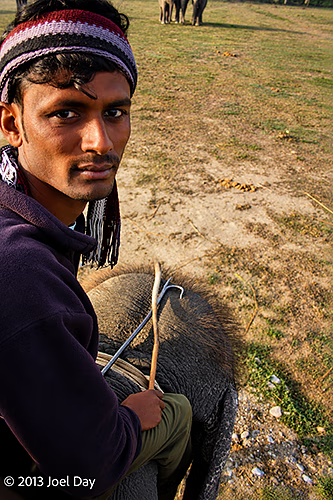
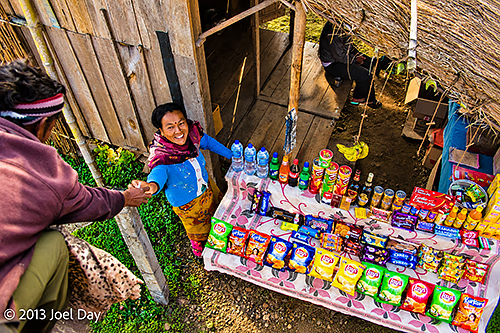
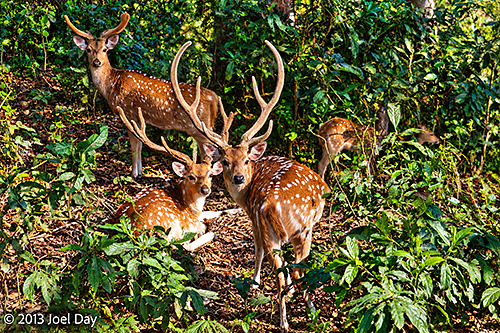
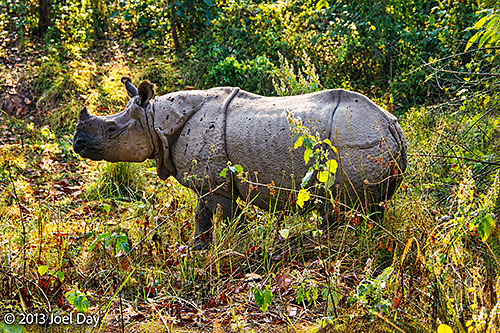
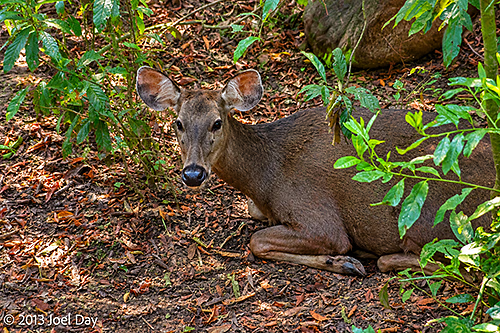
As it turned out, it was actually a really good way to see the wildlife. We weren’t permitted inside the national park, but we could explore trails in the surrounding buffer zone. Because elephants are native to the area, the other wildlife didn’t seem to flinch when we approached. I’m not even sure they knew humans were on the elephants’ backs! I got very close to a wide range of native wild animals, including a big adult rhino and lots of deer, just chilling out in the shelter of the forest.
Elephant Safari Walk
Map of the route “Safari City”: 3,185 m, 18 m of climbing and 23 m of descent, elevation between 180 m and 187 m, time 01:33:13. It is a loop that starts and ends at 27.59412, 84.48109 (latitude, longitude).
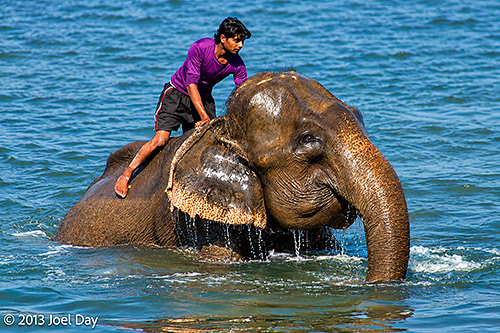
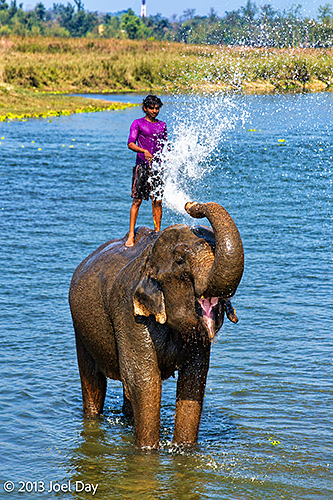
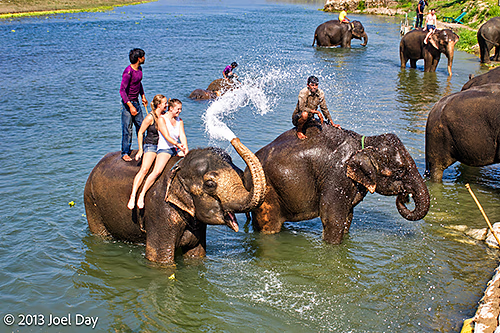
Afterwards, I was taken to where the elephants are rewarded for slugging 5 people around on their backs for 2 hours: a bath. They love water, so they walk them down to the river to drink countless gallons, spray, and submerge themselves to cool off and clean up. They let tourists stand on the elephants’ backs for the experience of getting a good-luck nostril spray, but I declined, not knowing how clean or sanitary the river was, or how sanitary it was to have elephant snot fired at you.
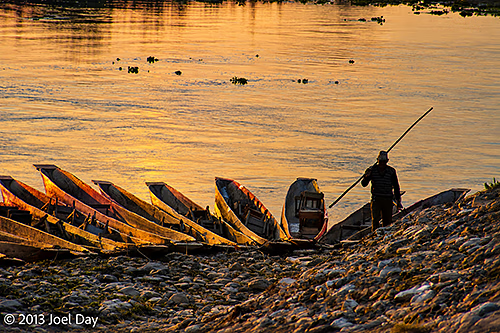
In the afternoon, I headed out for a jeep-based safari that actually went into the national park for four hours. The safari required us to paddle across a river in dugout canoes to reach the cheap Indian Tata vehicles.
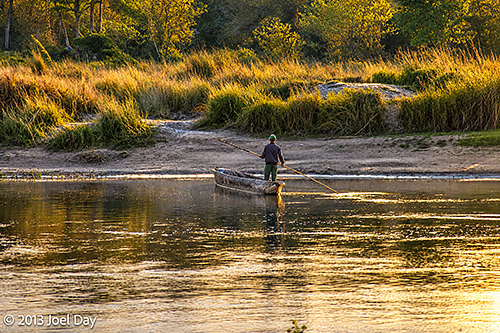
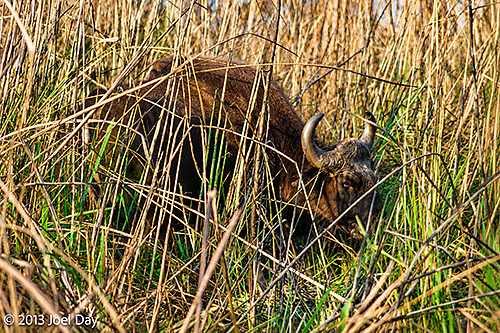
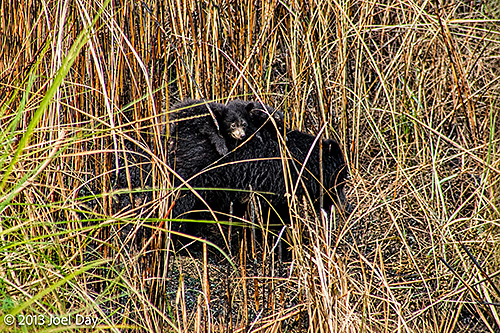
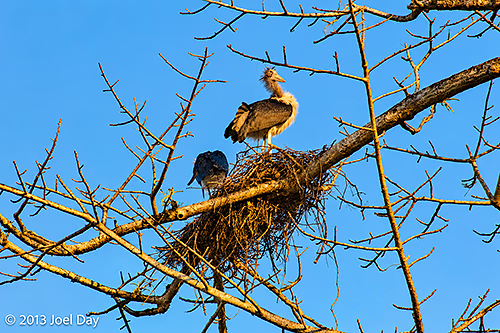
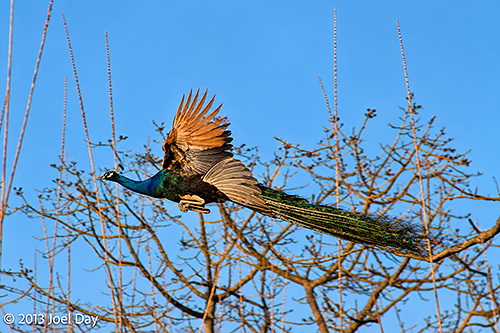
Unlike my solo safari in Sri Lanka, I shared the vehicle with six others, though they were all very nice and as interested as I was. British, New Zealanders, and Germans were on board. At first we weren’t having much luck, possibly because it was a warmer-than-average mid-February day, but as we headed back and things cooled off, we saw all kinds of great things. There were several rhinos, an Asian bison, an Asian bear with two cubs on her back, countless deer, wild boars, numerous peacocks, lots of crocodiles, several monkeys, but no tigers! The tigers are supposed to be pretty rare, but just over the border in India, there are quite a few. All in all, I’d say it was a very good day.
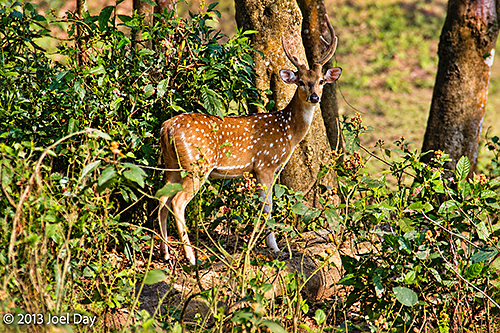
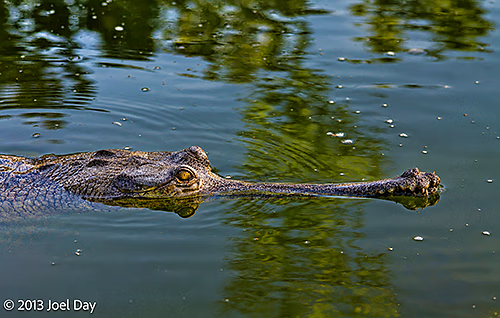
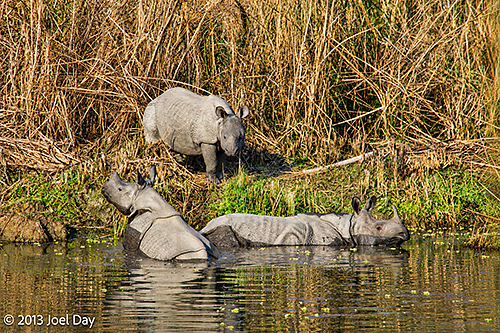
Chitwan National Park Jeep Safari
Map of the route “Safari City”: 46,147 m, 230 m of climbing and 199 m of descent, elevation between 174 m and 209 m, time 05:28:40. It is a loop that starts and ends at 27.58234, 84.49435 (latitude, longitude).
