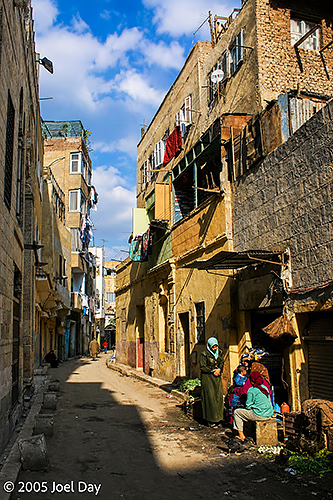
After spending about ten days here, I thought I would give you some reflections on life in the Middle East.
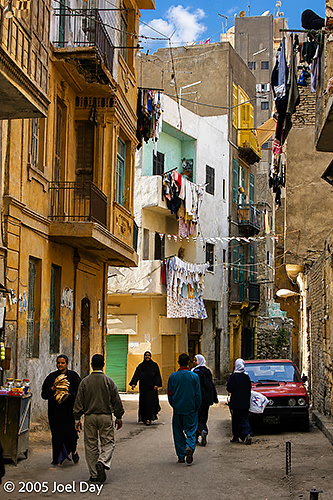
You can feel a slow cultural transition as you work your way across the country. The further north and east you get, the more Middle Eastern everything feels. The further south you go, the more African everything feels.
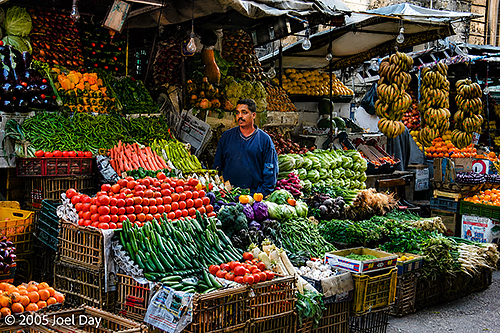
One of the hardest things to get used to is Arabic script. Tourist places will usually have English translations, but you won’t find them in many areas. The most difficult thing is the numbers, which are unlike the numbering system you’ll find in the West or in Asia. They use a script that makes a “5” look like a “0” and a “0” look like a “-“, so “50” in English translates to “0-” in Arabic, among other things. Simple things like finding your train platform or an address on a street you can find on an English-language map are very difficult. The currency is printed in Arabic on one side and English on the other, so you have to keep flipping your money over to make sure you’re handing out the right amount.
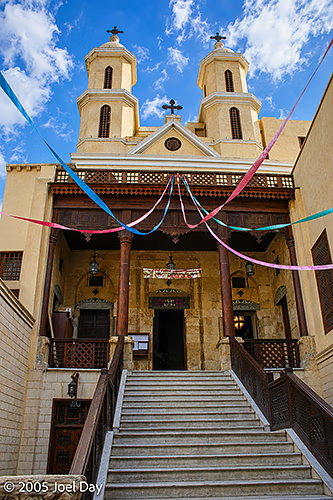
The country is predominantly Muslim, although there are a few old churches and synagogues about. While most Egyptians don’t seem to be devoted enough to drop to their knees every day, there are plenty that do. The mosques call out for prayers early in the morning (before sunrise), around 3 PM, and at sunset. Hearing all the mosques calling out is almost like hearing a multi-alarm fire going off at fire stations throughout your community. Except instead of a siren, you hear someone singing/wailing through a microphone. When travelling by train through country towns up and down the Nile, the mosques are all decorated with neon lights.
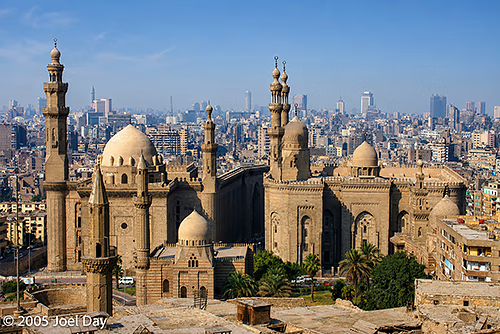
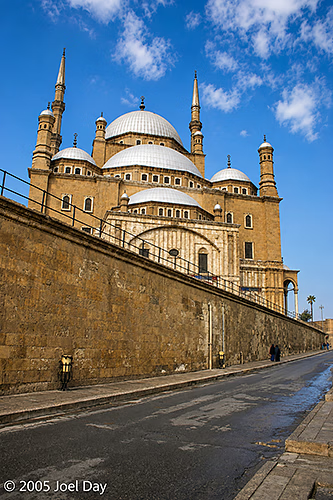
Most women keep their heads covered, although some more than others. Some have everything but their eyes covered. Every time I have tried to speak with a woman in a head covering, she has attempted to communicate back in a friendly way, only to be snapped at in Arabic by a passing older man — forcing her to reel back somewhat. Many of the older men here dress in traditional clothing that resembles something along the lines of Libyan leader Omar Gaddafi’s getup.
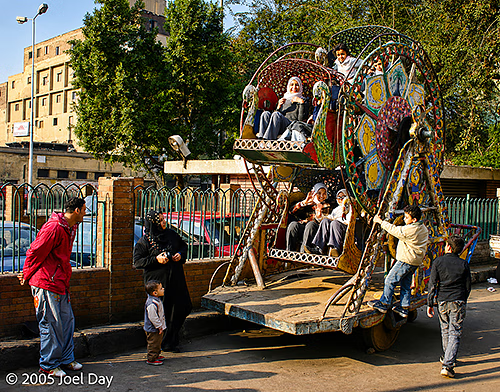
The younger population seems a bit more hip, listening to funky Middle Eastern music and Western rap. Many young kids seem to be learning English in school these days because they always seem eager to practice their English on you.
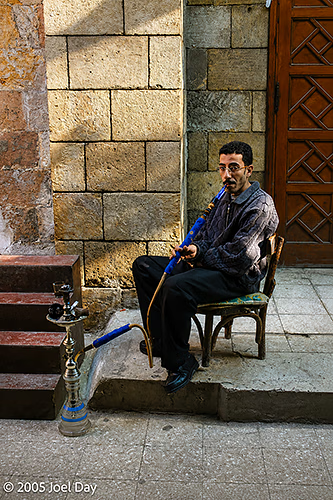
That being said, virtually everyone I’ve interacted with has been very friendly and honest with their fellow Egyptians and me. It almost seems as though they’re all distantly related somehow (especially in more rural areas). They seem to know exactly how each person walking down the street fits into their huge extended family.